Walnut Creek Water Damage Restoration
When a pipe fails or a storm soaks a floor, trained crews extract the water, open wet walls, and dry the structure to a documented target across Walnut Creek homes and businesses.
(888) 774-9605Request water damage help in Walnut Creek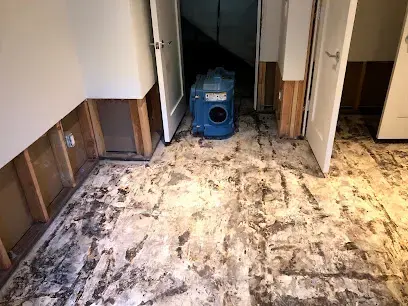
Water damage services across Walnut Creek
Each service below covers a different water source, from a split supply pipe to storm runoff near a creek. Pick the closest match, and the crew adjusts the plan once the first moisture readings come back from the walls.
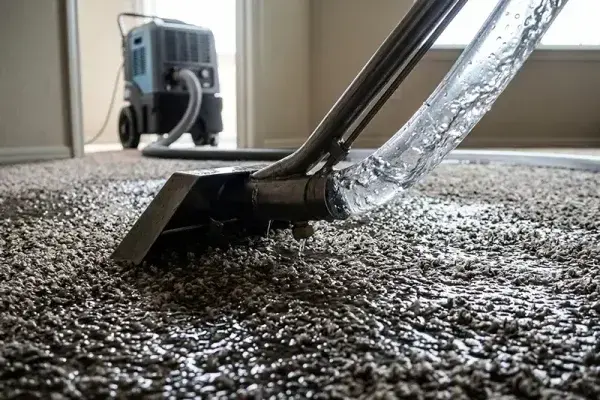 Water Extraction and RemovalPumps and wands pull standing water off floors fast, which keeps hardwood, carpet pad and baseboards from soaking up more.View service
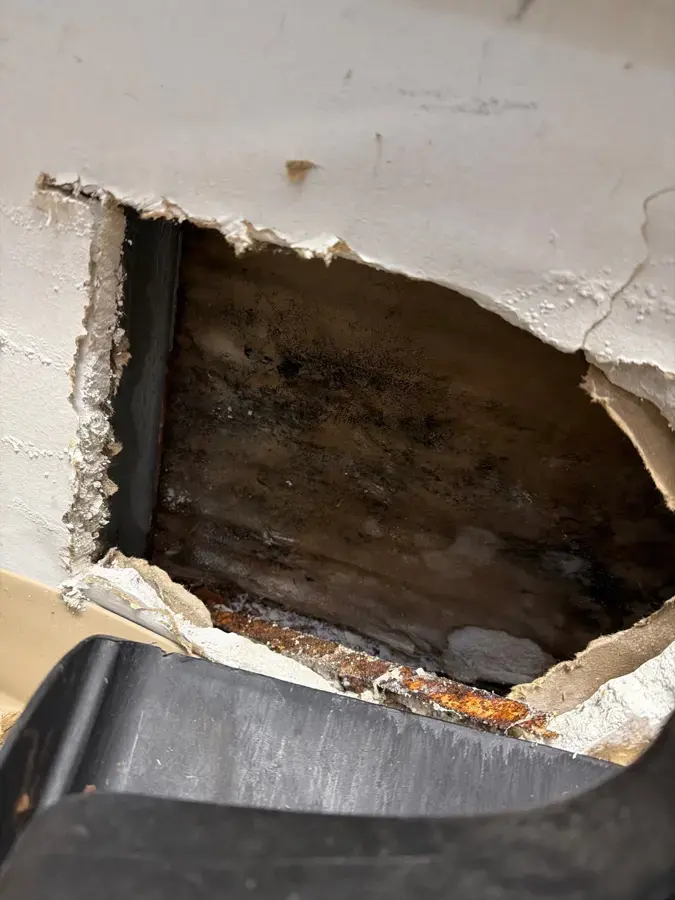 Burst Pipe Water DamageA split supply pipe floods fast, so the crew finds the shutoff, extracts, and opens wall cavities where water traveled.View service
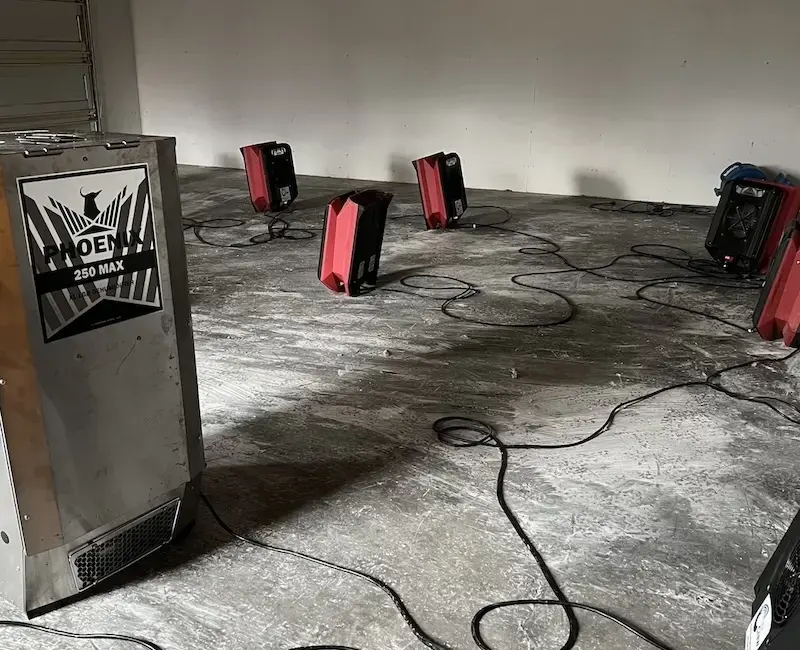 Slab Leak Water DamageA supply pipe leaking beneath a concrete floor wets flooring from below, so mats and desiccant units dry the slab surface.View service
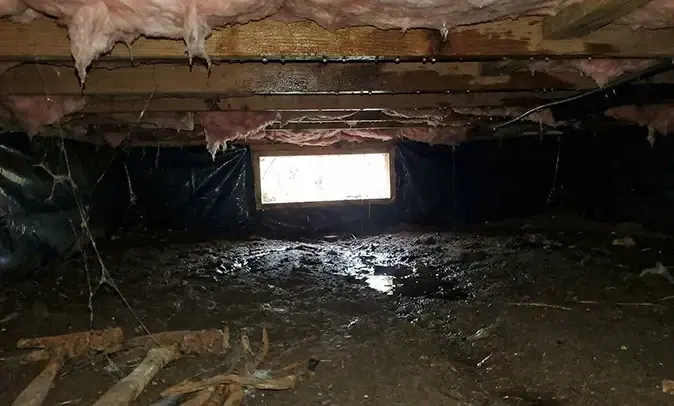 Crawl Space Water DamageWater under a raised floor soaks joists and insulation, so crews pump out, pull wet batting, and dry the framing.View service
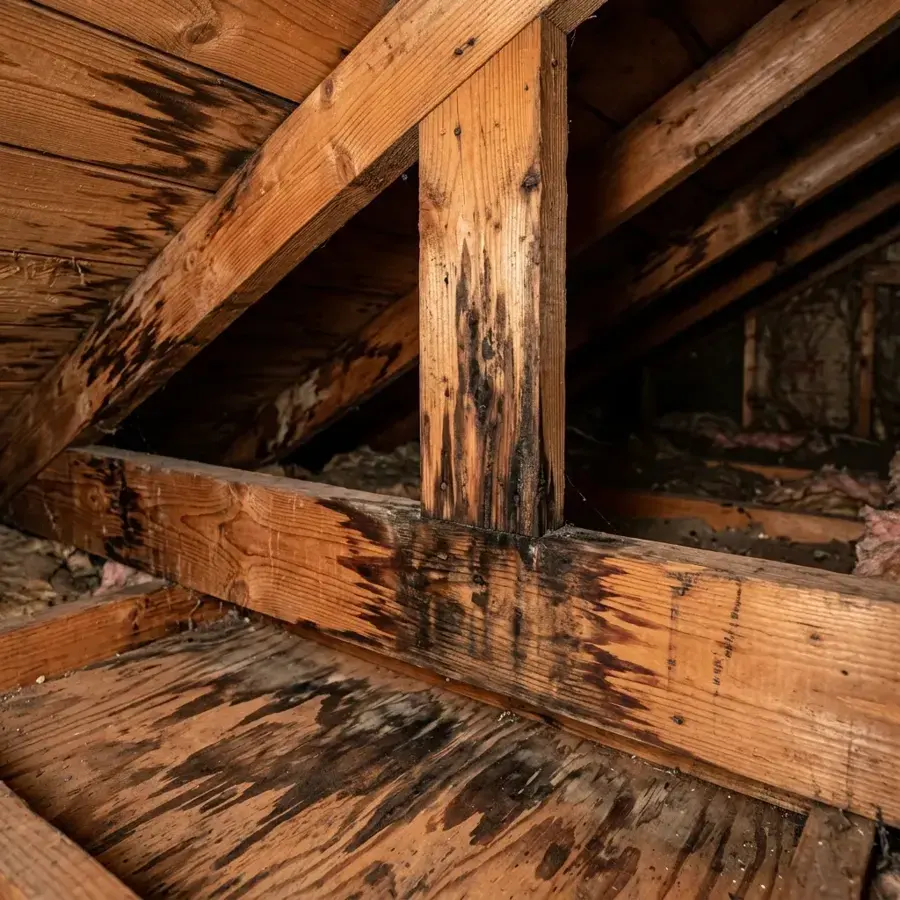 Storm Roof Leak Water DamageWind-driven winter rain finds worn flashing and shingles, then stains ceilings below, so attic insulation and decking get metered.View service
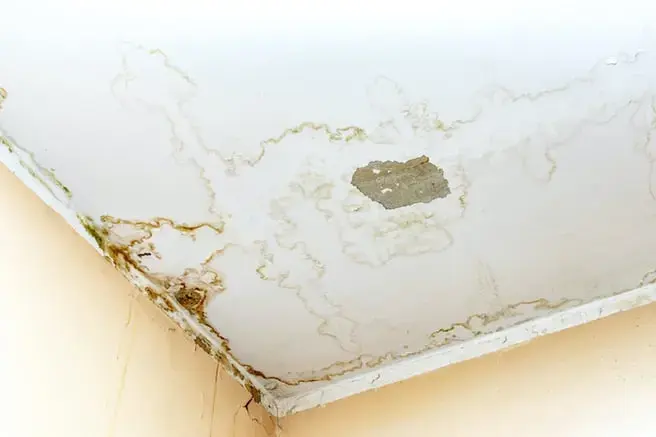 Ceiling Leak Water DamageA stain overhead often means a bathroom or laundry room leak upstairs, so the cavity above gets opened and dried.View service
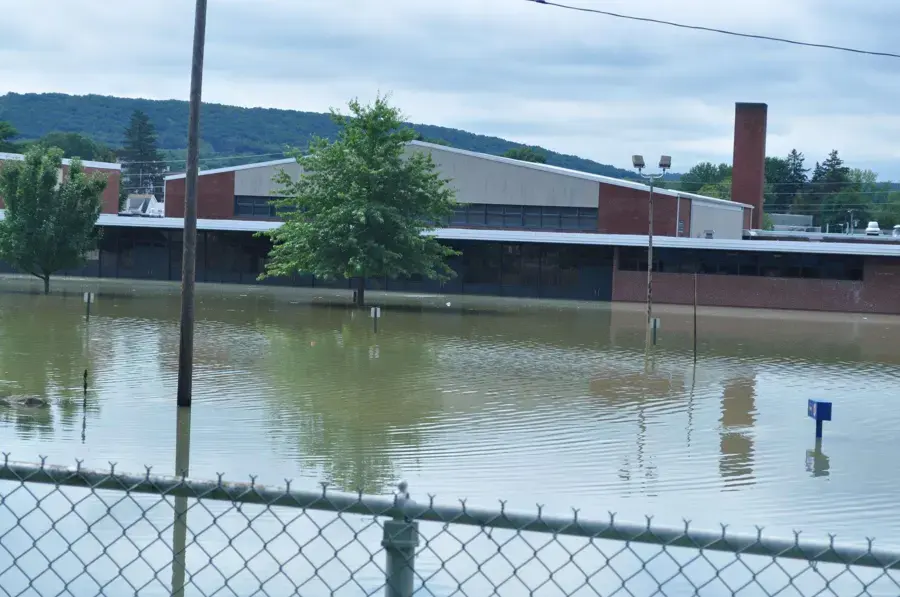 Storm Runoff Flood CleanupRunoff that reaches a garage or ground floor brings silt, so crews clear it, cut wet drywall, and sanitize surfaces.View service
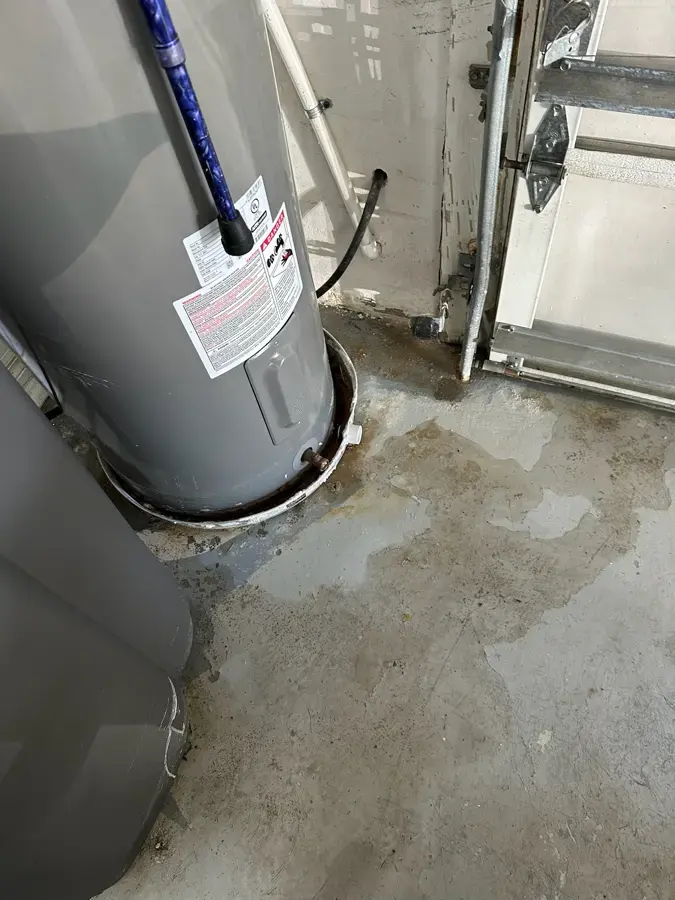 Water Heater Leak CleanupA failing tank floods a garage or closet quickly, so the crew extracts, checks the shared wall, and dries nearby floors.View service
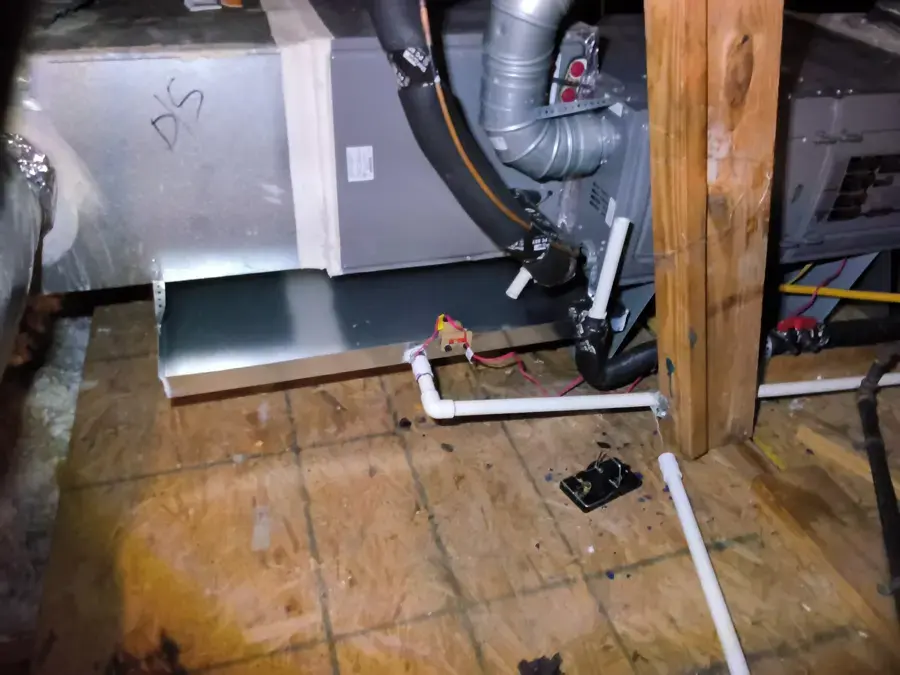 AC Condensate Leak Water DamageA clogged condensate drain or full pan drips into ceilings, so the leak gets traced and the wet drywall dried.View service
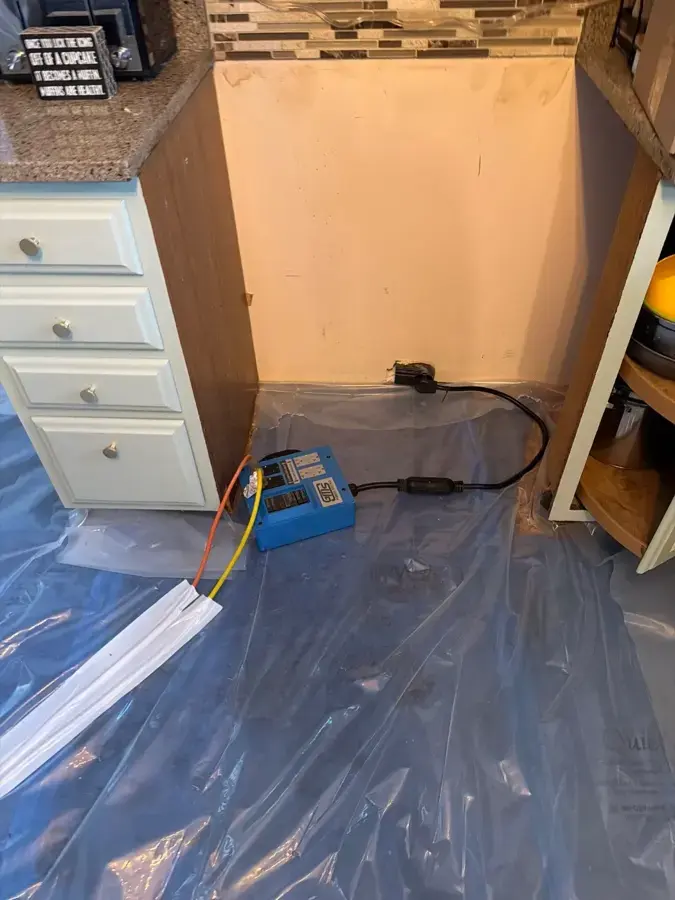 Appliance Leak Water DamageA dishwasher, washer or refrigerator supply hose can leak quietly under cabinets, so toe kicks come off for drying.View service
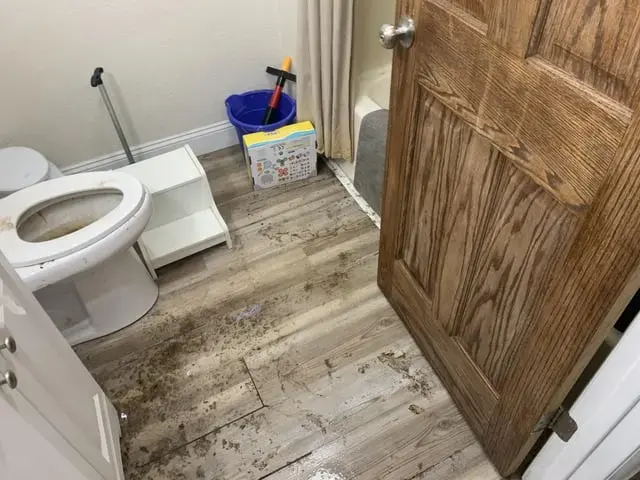 Toilet Overflow CleanupOverflow water is sanitized as it is cleaned, with the floor, baseboards and any subfloor or ceiling below dried.View service
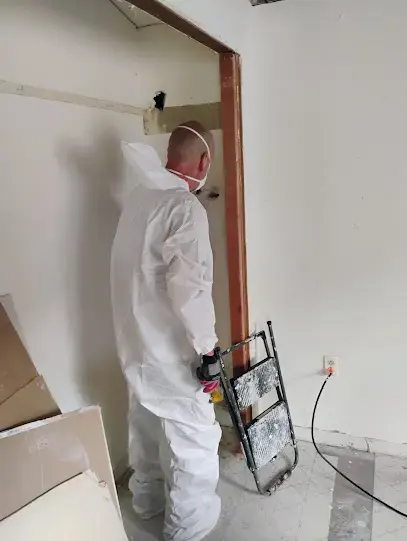 Sewage Backup CleanupSewage backup is handled under containment with protective gear, removing porous materials the water touched and disinfecting what stays.View service
Structural Drying and DehumidificationAir movers and low-grain refrigerant dehumidifiers pull moisture from walls, framing and floors until readings reach the dry standard.View service
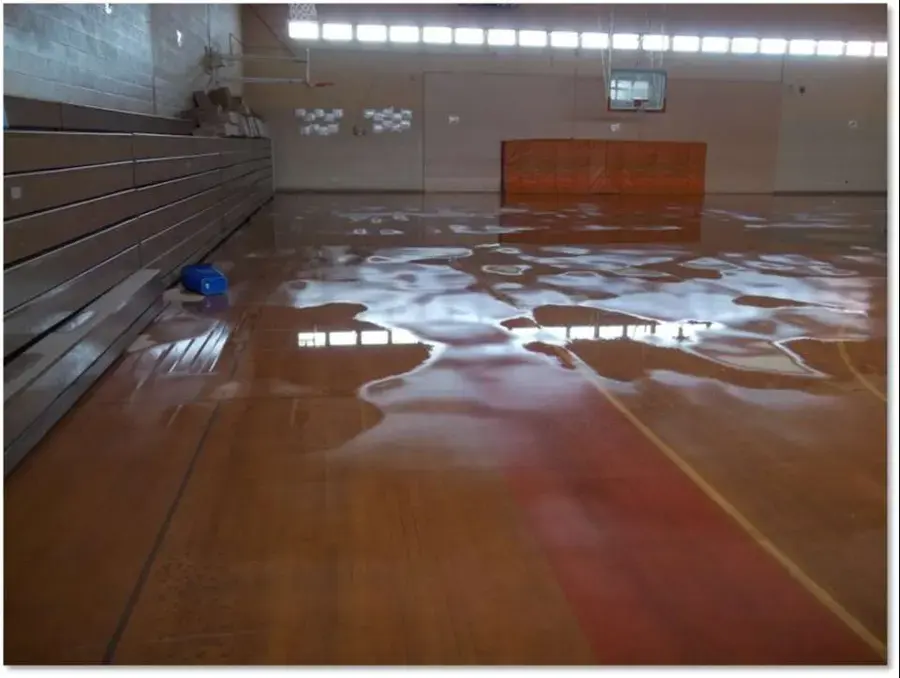 Commercial Water DamageOffices and shops need phased drying that keeps tenants working, with zone containment and per-suite records for owners and carriers.View service
What to do in the first moments after water appears
- 1
Shut off the supply
Close the main valve or the fixture stop, switch off power to wet areas, and keep everyone out of standing water near outlets.
- 2
Protect what you can
Lift small furniture, pull rugs and electronics clear, and leave heavy items for the crew rather than risking a strain.
- 3
Photograph everything
Capture the source, the wet surfaces, and damaged belongings from several angles before anything moves, since an adjuster will ask for them.
- 4
Call for extraction
Water left in padding and drywall keeps spreading, so request extraction and a moisture survey as soon as the source is stopped.
One crew from the first call to final readings
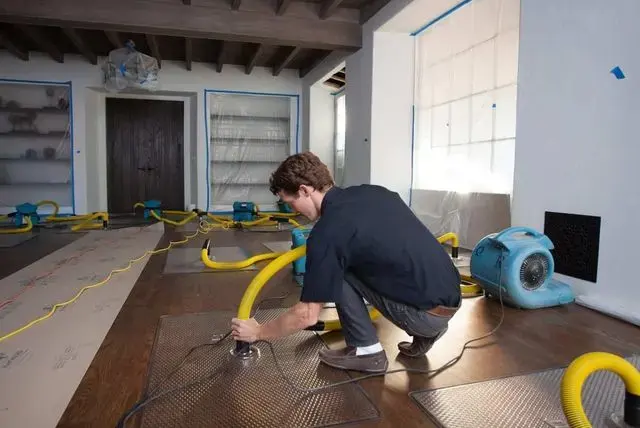
A water loss involves plumbing, drying science, and paperwork at once, and each one affects the others, which is why water extraction and drying are planned together. Here the same crew extracts, maps moisture, sets equipment, and records each visit, so the homeowner is not coordinating three trades.
Response close to home
Crews who already work the Walnut Creek area know the routes, the neighborhoods, and the equipment to bring.
IICRC S500 drying standard
Equipment is placed and logged against the S500 procedure, with daily moisture readings deciding when drying stops.
Claim-ready documentation
Photos, moisture logs, and equipment records are kept so an insurer can see what was wet, what was removed, and why.
Local water know-how
Creek watersheds, winter rain, and the occasional main break all shape what water does in this city, and the plan accounts for them.
Drying that is measured, logged, and verified
IICRC S500 is the industry procedure for water damage restoration, and it works only when moisture is measured instead of guessed. Readings taken on day one set a target from a dry reference wall, and every visit afterward is compared against it.
A typical drying schedule
- Day 1, surveyMoisture meters and a thermal camera locate wet drywall, flooring, and framing, while unaffected materials are logged for comparison.
- Day 1, extractPumps and extraction wands remove standing water, and carpet or pad that cannot be saved is cut out and bagged.
- Day 1, setAir movers, dehumidifiers, and drying mats are positioned by water class, and the equipment count goes on the log.
- Middle days, adjustEach visit repeats the readings, moves equipment toward wet spots, and opens cavities that are still holding moisture.
- Last day, confirmReadings must match the dry reference before equipment leaves, and the finished log is handed over for the claim file.
What does water damage restoration cost in Walnut Creek?
Cost depends on how far the water traveled, how long it sat, and whether it was clean, gray, or contaminated. Small contained leaks sit in the low four figures, while whole-floor losses reach the mid five figures. A written estimate follows the moisture survey.
Small clean-water leak
$1,300 to $4,800
- One wet room or hallway
- Carpet dried in place
- Daily moisture readings
Spread to several rooms
$4,800 to $13,000
- Walls and ceilings metered
- Wet flooring lifted
- Drywall cut above readings
Gray water or long exposure
$13,000 to $26,000
- Porous materials removed
- Containment set up
- Extended equipment days
Use the water damage cost calculator to narrow a first range by rooms and water type, then compare it with the written estimate. Insurance deductibles and covered causes change what a homeowner actually pays.
Clean, gray, and black water are handled differently
Clean water sources
Supply pipes, tanks, and hoses release clean water, which dries in place when caught early but turns gray if it sits.
Burst pipe water damageGray water sources
Dishwashers, washing machines, and overflowing tubs add soap and soil, so porous materials usually come out rather than being dried.
Appliance leak cleanupBlack water sources
Sewage and creek flood water carry bacteria, so this category calls for containment, protective gear, and disinfecting.
Sewage backup cleanupRecords that support a claim
Adjusters want proof of the cause, the extent, and the work done, so the file is built while the job is still underway.
- Dated photos of the source and every affected room
- Moisture readings from every visit, room by room
- A list of materials removed, with the reason for each
- Equipment placement and the number of days it ran
- An itemized invoice that matches the daily work log
Check with your insurer
Insurers decide what a policy covers, and sudden pipe failures are treated differently from slow leaks or groundwater. Reading the policy before the first call helps set expectations about deductibles and approvals.
The restoration crew documents the loss but does not decide coverage, so confirm details directly with your own insurer or agent.
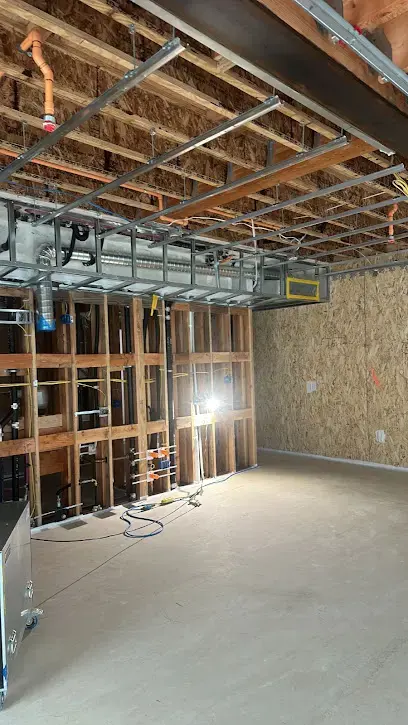
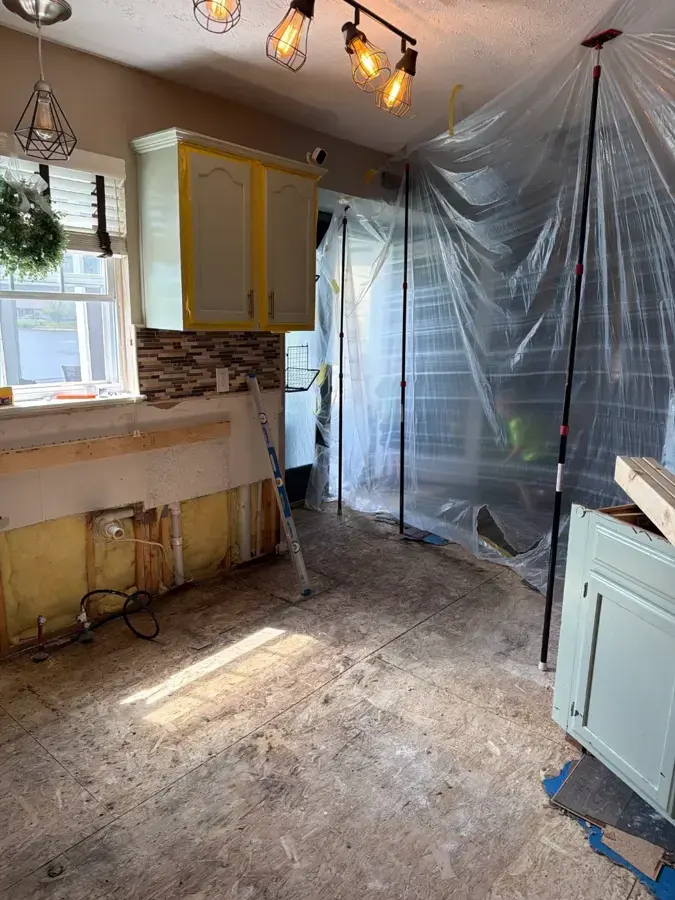
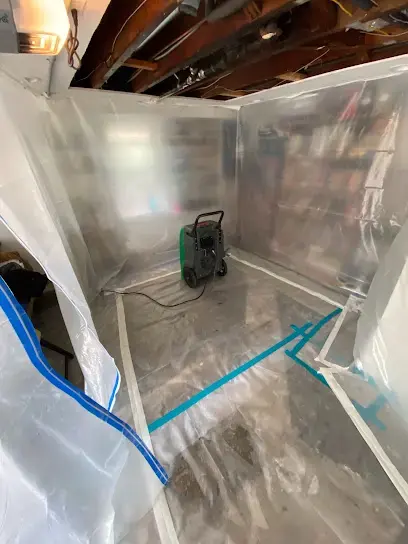
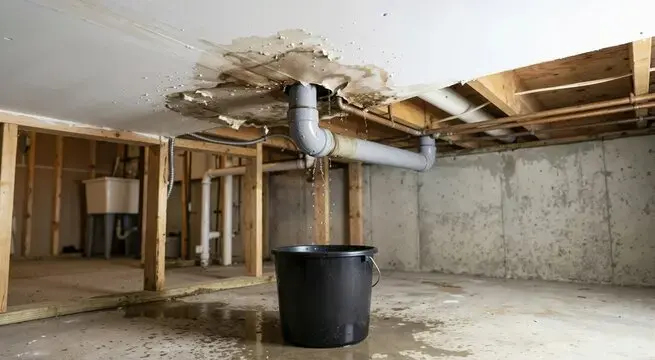
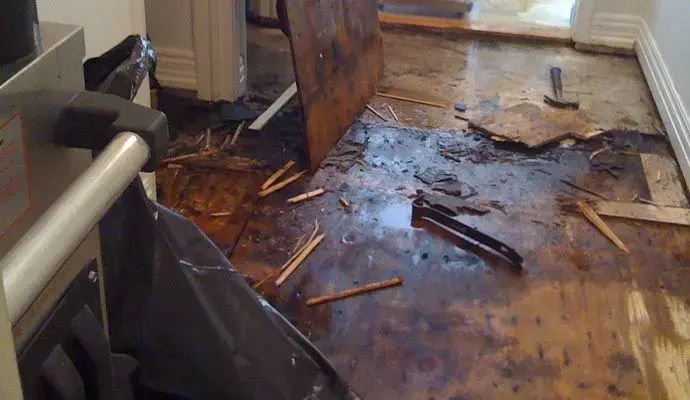
Typical stages of a water damage job
Water damage response across Walnut Creek and nearby
Neighborhoods and corridors
ZIP codes
Nearby towns
Reaching the crew from anywhere in Walnut Creek
A call or form submission from Rossmoor, Saranap, Northgate, or downtown reaches the same intake team, which gathers the source, the rooms affected, and the water type.
Commercial calls from Broadway Plaza or Shadelands Business Park are taken the same way, with a contact for the property manager noted at the start.
(888) 774-9605Request water damage help in Walnut CreekWalnut Creek, CA · [email protected]
Water risks around Walnut Creek
Walnut Creek sits below Mount Diablo with several creeks crossing its watershed, a dry summer and a wet winter, and public water mains that occasionally fail. Each of those can put water into a building.
A major storm flooded much of downtown Walnut Creek, one of three major downtown floods between 1955 and 1962, and flood control channels were built on the creek afterward.
A 16-inch steel water main from 1955 broke near Ygnacio Valley Road and Homestead Avenue, and an office building lost water while EBMUD made the repair.
- Creek watershed: Walnut Creek, San Ramon Creek, and Las Trampas Creek drain the area, and Flood Control Zone 3B covers the watershed.
- Tunneled downtown creek: The waterway runs through tunnels beneath downtown, so heavy storm runoff and blocked drains can put water near garages and ground floors.
- Main breaks: EBMUD supplies the water, and a January 2026 main failure closed lanes near Homestead Avenue, a reminder that water infrastructure can fail without warning.
- Winter rain: About 26 inches fall in a typical year, nearly all in winter, so wind-driven rain can find worn roofing after the dry summer.
- Private sewer laterals: Property owners maintain the lateral that links a house to the Central San sewer, so a blockage there backs up into the lowest fixtures.
Walnut Creek water damage questions answered
How fast should water be removed after a leak?
As soon as the source is stopped, because wet drywall and padding keep absorbing and spreading moisture. Extraction first, then drying equipment, limits how much material has to be torn out.
Does a Walnut Creek water main break count as water damage?
Water that enters a building from a failed main or a service pipe is cleaned like any other loss, and clean water dries in place if caught early. The cause only changes the insurance question.
Who is responsible for a sewer lateral problem?
Property owners maintain the private sewer lateral between the house and the public sewer. Central San handles the public side, and it promotes a sewer popper to help prevent backups.
Is drying always done in place, or is demolition needed?
Clean water caught early often dries in place with air movers and dehumidifiers. Gray or contaminated water, and anything that soaked for days, usually means removing porous materials such as pad and lower drywall.
What do the moisture readings actually show?
Meters report how wet wood, drywall, and concrete are, and the numbers are compared with a dry reference. Equipment stays until every reading matches that reference, not until surfaces merely feel dry.
Can a storm leak in a roof cause ceiling damage?
Yes. Wind-driven winter rain can get under worn roofing, soak attic insulation, and stain the ceiling below. The attic is metered along with the room, since damage often reaches further than the visible stain.
Do shared buildings and communities like Rossmoor need extra steps?
Where units share walls, ceilings, or drains, a leak can reach a neighbor. Crews note the shared elements, document each unit, and keep the association or management informed.
How long does structural drying take?
Drying time depends on materials, water class, and how much was wet, so no honest number comes before the survey. Readings every visit show progress and when the equipment can come out.
Does water damage restoration include rebuilding?
Restoration covers extraction, drying, and removal of materials that cannot be saved. Rebuilding drywall, flooring, and paint is a separate phase, and building permits come through the City of Walnut Creek Building Division.
What should be photographed before cleanup starts?
The source, every wet surface, damaged belongings, and any visible stains from several angles. Photos taken before anything moves give the adjuster a clear picture of conditions at the start.
Water in the house right now?
Describe the source and the rooms affected, and the crew will confirm next steps and schedule a moisture survey.
Walnut Creek water damage handled start to finish
Whether it is a split pipe in Parkmead, a storm leak in Tice Valley, or a flooded suite near Shadelands Business Park, the work follows the same order: stop, extract, dry, and document.
(888) 774-9605Start a Walnut Creek request