Water Damage Restoration in Clayton
Burst pipes, failed water heaters, winter storm runoff and sewage backups all get the same response in Clayton: extraction first, then drying measured with meters until the framing reads dry.
(888) 774-9605Request Clayton water cleanup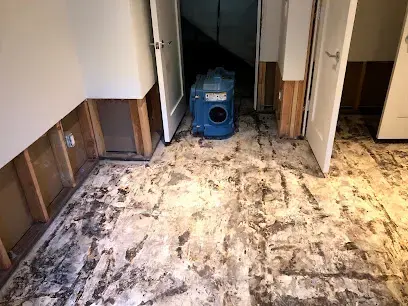
Every kind of water loss in Clayton
Clayton is mostly owner-occupied single-family homes, so one wet floor can quickly become a whole-house problem. These services cover the leaks, storm runoff and drain failures that homes here see, each with its own page for Clayton.
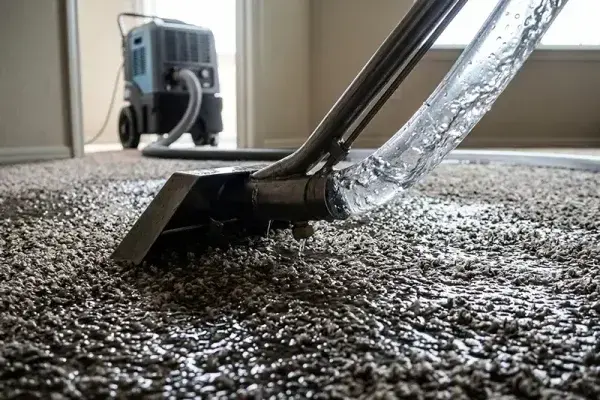 Water Extraction and RemovalStanding water is pumped and vacuumed from floors and carpet in Clayton homes before it wicks into baseboards and walls.View service
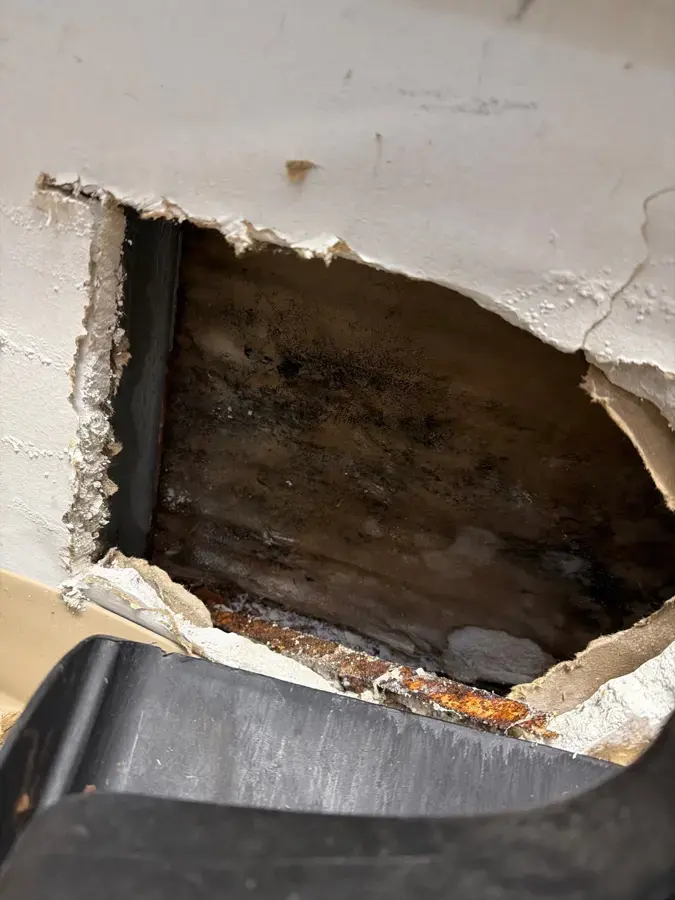 Burst Pipe Water DamageSupply pipes in homes from the 1970s to the 1990s often fail at old fittings, so the wet wall cavity is opened and dried.View service
 Slab Leak Water DamageA pipe leaking under the concrete slab is found, then wet flooring is lifted and the slab dried with mats.View service
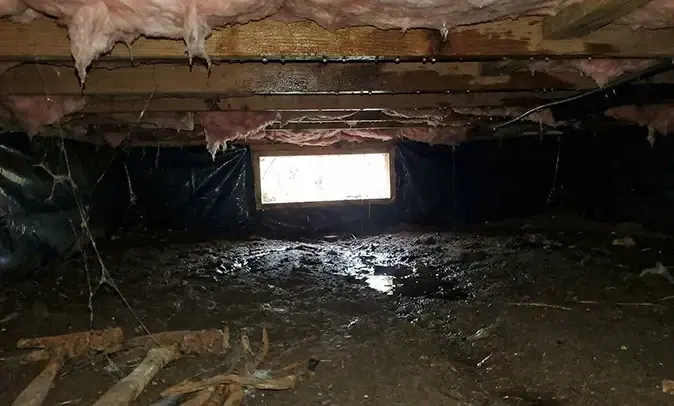 Crawl Space Water DamageWinter rain and hillside runoff can pool under a raised floor, so water is pumped out and the joists are dried.View service
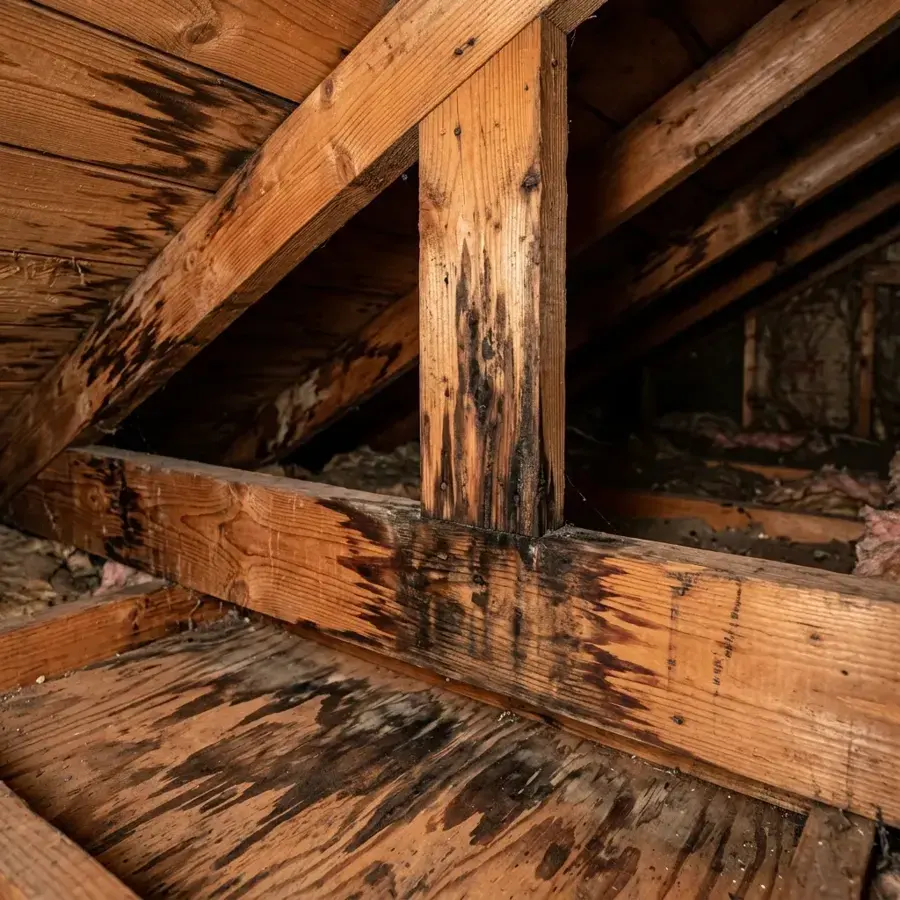 Storm Roof Leak Water DamageWet winters and atmospheric rivers stress hillside roofs, so soaked insulation, decking and ceilings get dried.View service
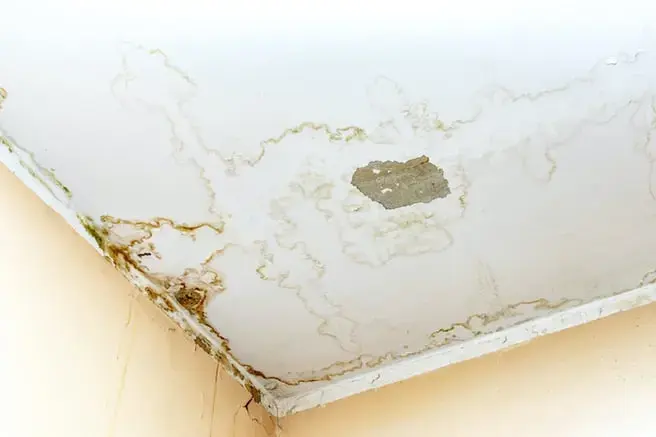 Ceiling Leak Water DamageA leak from an upstairs bath or laundry soaks the ceiling below, so wet drywall and insulation are dried or removed.View service
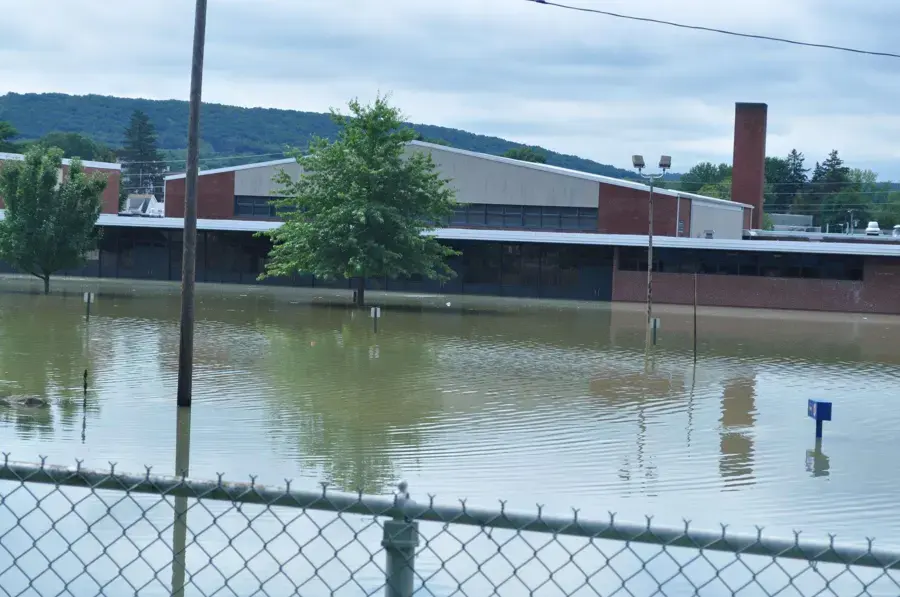 Storm Runoff Flood CleanupMt. Diablo Creek has flooded the Town Center before, so runoff reaching a garage or lower floor is cleared of silt and dried.View service
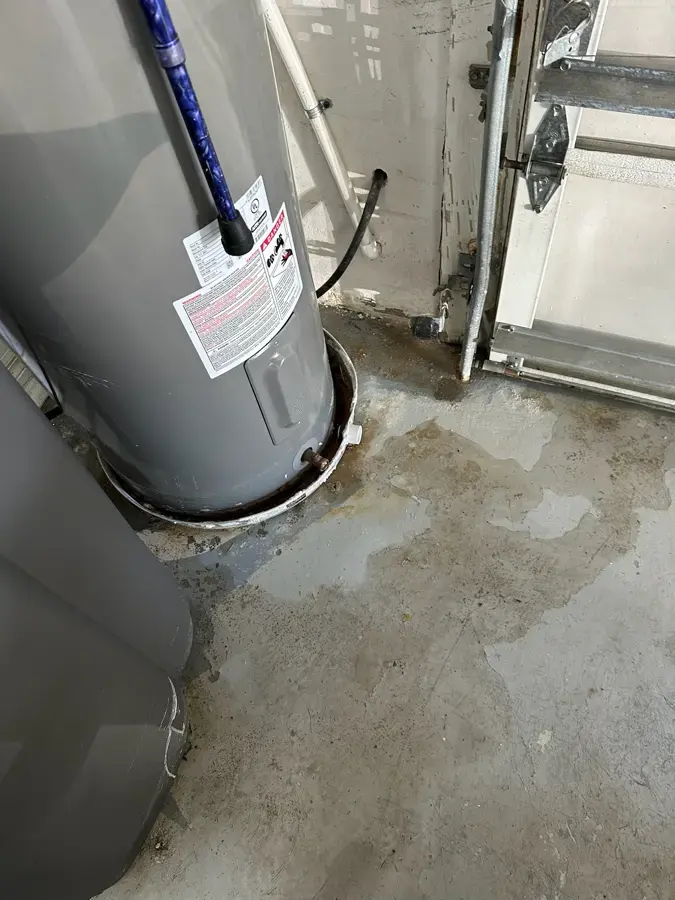 Water Heater Leak CleanupA tank that fails at the end of its life is extracted before the water reaches shared walls and flooring.View service
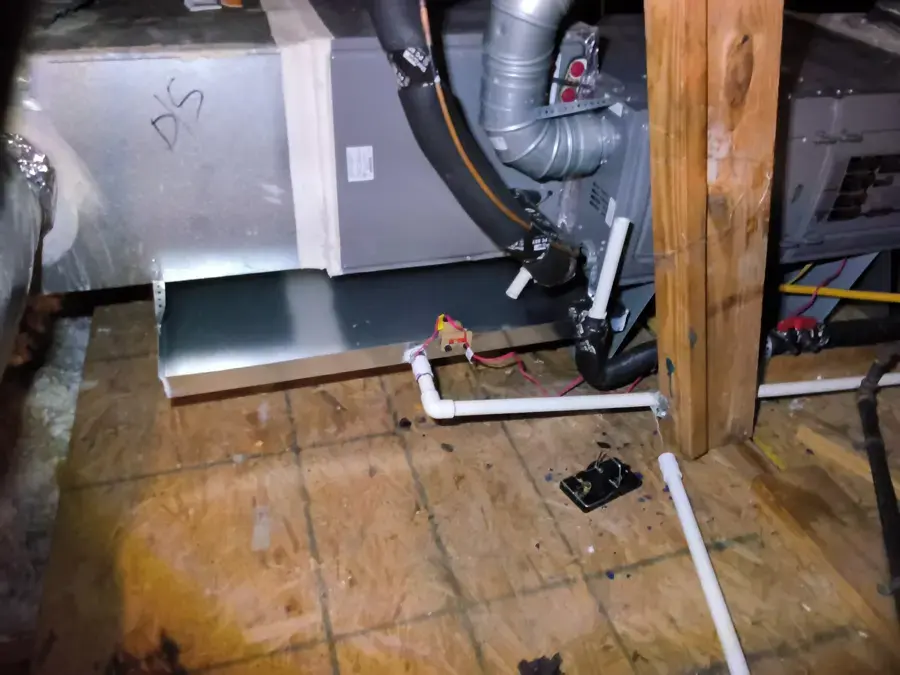 AC Condensate Leak Water DamageHot summers keep air conditioners running, and a clogged condensate drain or pan can overflow into the ceiling below.View service
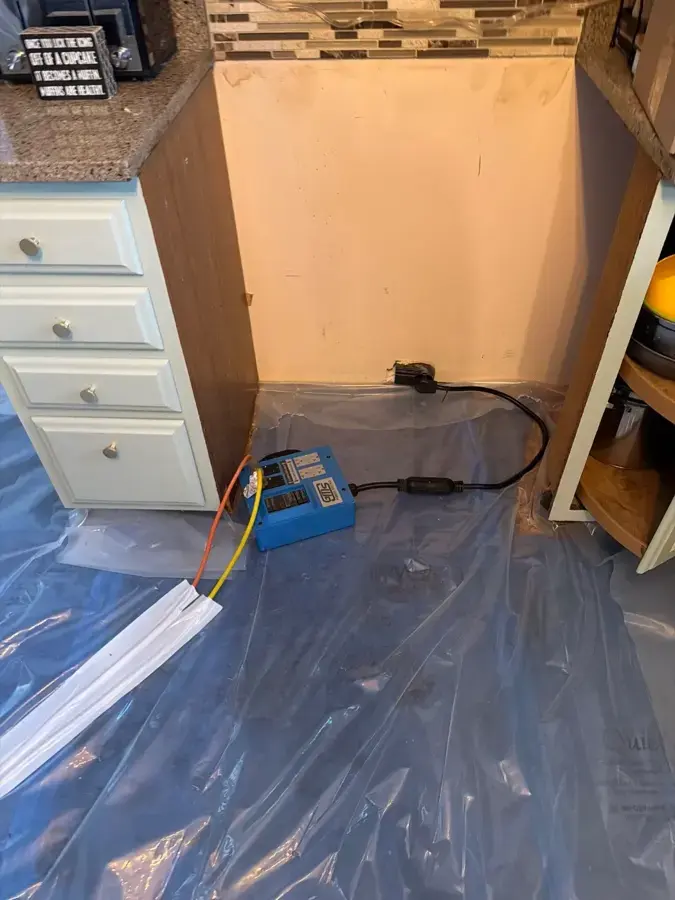 Appliance Leak Water DamageWasher, dishwasher and refrigerator supply leaks are dried under cabinets and flooring before swelling and staining set in.View service
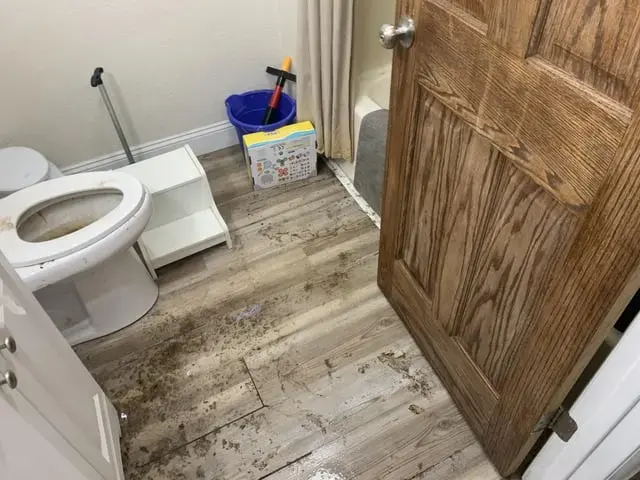 Toilet Overflow CleanupAn overflow is sorted by contamination category, cleaned, treated and dried, with the bathroom floor and the room below checked.View service
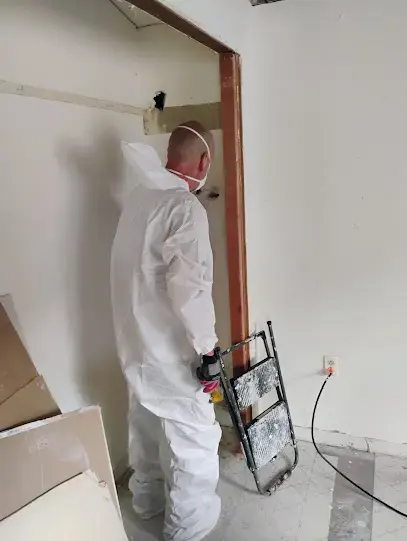 Sewage Backup CleanupBackups inside the home need containment and removal of soaked porous materials, while a street main problem goes to the City of Concord.View service
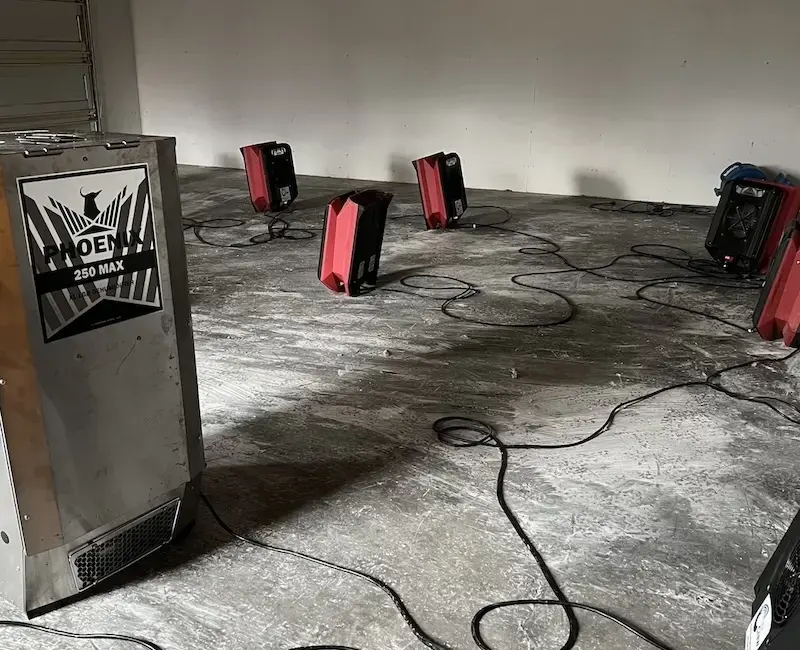
Structural Drying and DehumidificationWet framing, subfloor and wall cavities are dried to a dry reference after winter storms or hillside runoff.View service
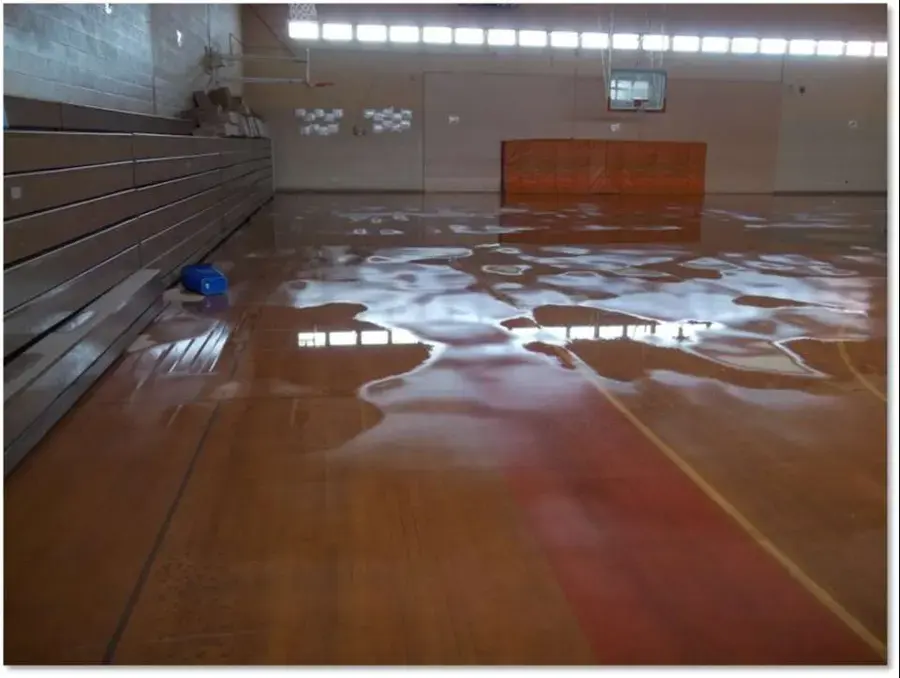 Commercial Water DamageShops, offices and restaurants near the Town Center and Main Street are dried in phases to stay open.View service
What to do in Clayton while water is still spreading
- 1
Stop the source
Shut the main valve or switch off the appliance feeding the leak, then cut power to wet rooms if the panel is dry and reachable.
- 2
Move what you can
Lift rugs, small furniture and electronics off wet floors, and set the legs of heavy pieces on blocks so stains stay put.
- 3
Take photos first
Photograph the water, the damaged items and the source before anything is moved or removed, because the insurer will want to see them.
- 4
Get extraction going
Call a crew early, because water sitting in carpet and pad keeps wicking into walls, so extraction and drying should begin promptly.
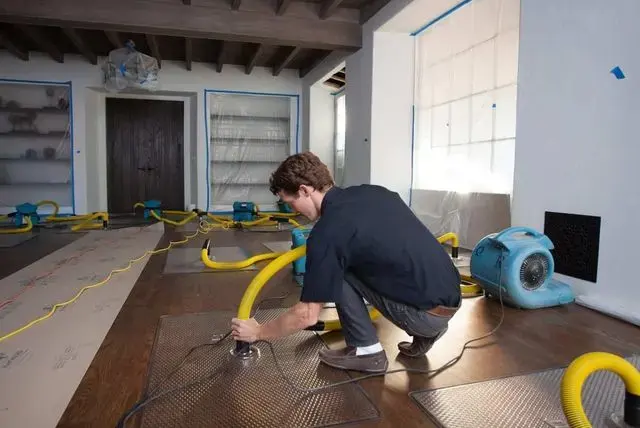
A drying plan built for Clayton homes
Each job in Clayton begins with a moisture survey, then extraction, removal of materials that cannot be saved, and equipment set to dry the structure. The crew records every step so the homeowner and the insurer see the same story.
Rapid local response
Crews know Clayton's hillside streets and the Town Center, so extractors and drying equipment head to the job promptly.
IICRC S500 drying standard
Drying follows the S500 standard, with target readings set from unaffected material in the same house and checked until the structure matches.
Claim-ready documentation
Moisture logs, photos and equipment records are kept for each visit so an adjuster can follow what was wet, what was removed and why.
Local water know-how
Creek runoff, winter storms, hot summers and 1970s to 1990s plumbing each leave a different pattern, and the crew reads them on site.
Dry means dry, and the readings prove it
Wet material is never judged by touch. The crew maps moisture with a meter and infrared imaging, sets equipment, and returns each day to compare readings against a dry reference until the framing, subfloor and walls all match it before anything is closed up.
A typical Clayton drying timeline
- Day 1, mapMeters and infrared imaging trace where water traveled through floors, walls and ceilings, and the wet boundary is marked.
- Day 1, extractStanding water is pumped out and carpet or flooring that cannot dry in place is lifted.
- Day 1, setAir movers, dehumidifiers and any mats go in, placed by the moisture map rather than by guesswork, and the gear is logged.
- Each day, recheckReadings are retaken and equipment is moved or removed as drying zones reach their targets.
- Final day, verifyEvery wet area reads at the dry reference, equipment leaves, and the log is ready for the insurer.
What does water damage restoration cost in Clayton?
Most Clayton jobs land between $1,300 and $26,000, depending on how far the water spread, how long it sat and whether it was clean, gray or sewage. Early extraction keeps a job in the lowest of the three tiers.
Contained clean-water leak
$1,300 to $4,800
- Standing water extracted
- Wet baseboards pulled and dried
- Daily moisture readings
Leak reaching walls or a ceiling
$4,800 to $13,000
- Several rooms dried
- Wet insulation removed
- Lower drywall opened
Long exposure or sewage
$13,000 to $26,000
- Containment where needed
- Porous materials removed
- Extended equipment drying
These ranges are typical, not quotes, because a crew has to measure the wet area first. For a rough number on your own home, try the cost calculator and then ask for an on-site moisture survey.
Clean, gray and black water are handled differently
Clean water from pipes
Supply leaks from a pipe, tank or appliance start clean, and quick extraction often keeps the damage to a floor and baseboards.
Burst pipe water damageGray water from appliances
Washer, dishwasher and some overflow water carries contamination, so porous materials get removed and surfaces treated.
Appliance leak cleanupBlack water from sewage
Sewage and long-standing water is unsafe, so containment, removal and antimicrobial treatment come before drying starts.
Sewage backup cleanupDocumentation for your insurance claim
Claims go smoother when the loss is recorded as it happens, so the crew keeps a running file the adjuster can read without guessing.
- Dated photos of every wet room and each damaged item
- Moisture readings from each visit, recorded by room
- Equipment placed and removed, with the dates logged
- Materials removed, listed with the reason
- A final invoice that matches the daily log
Ask your carrier about coverage
Coverage differs from policy to policy, so a sudden pipe burst may be covered while long-term seepage is not. Photos and the drying log help when the adjuster examines the loss.
Confirm deductibles and covered causes with the carrier on your policy, because the restoration crew documents the loss but never decides coverage.
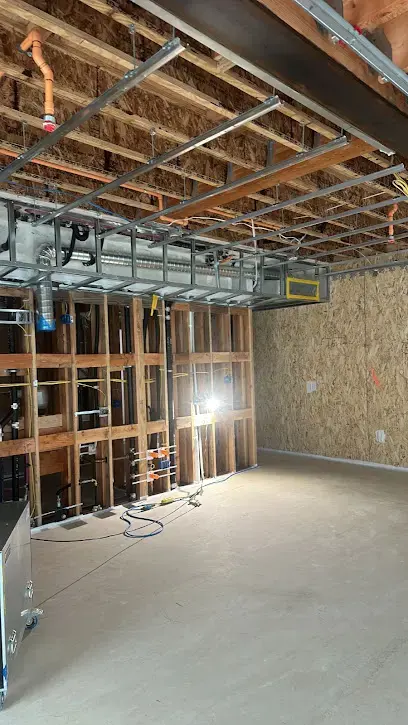
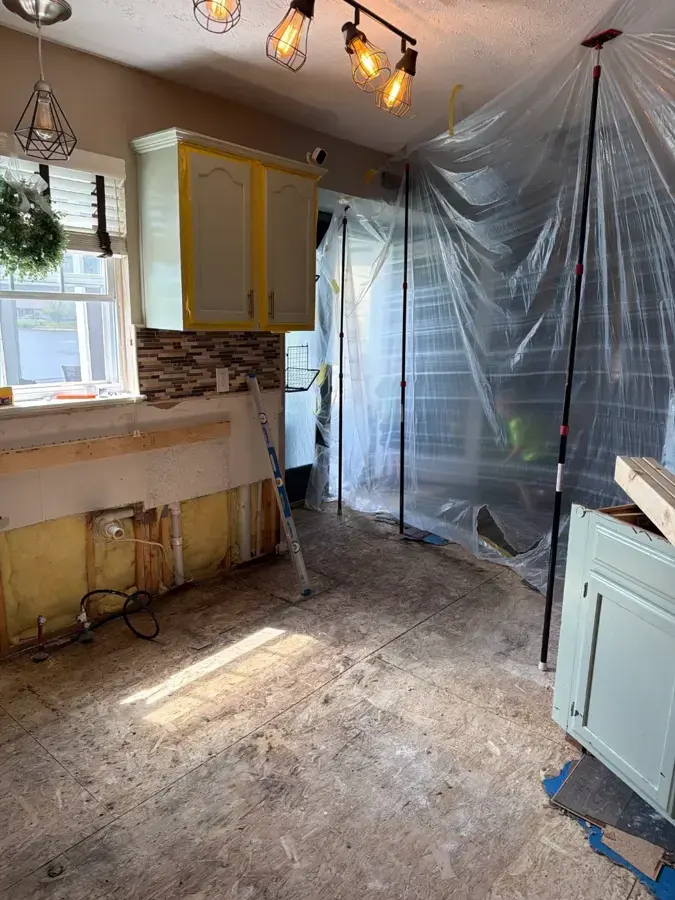
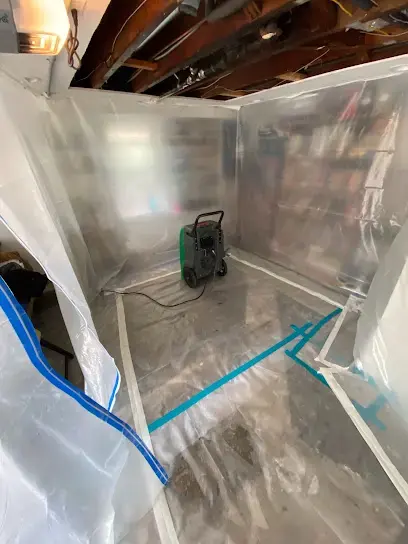
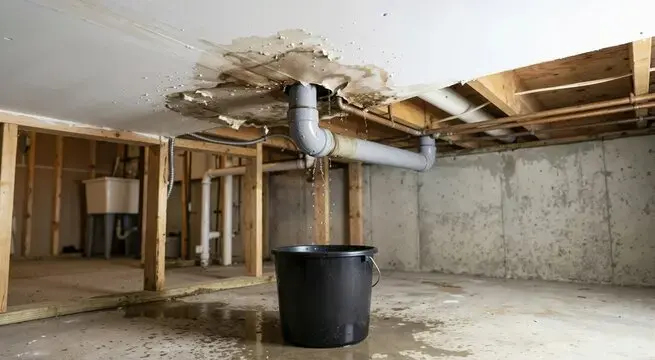
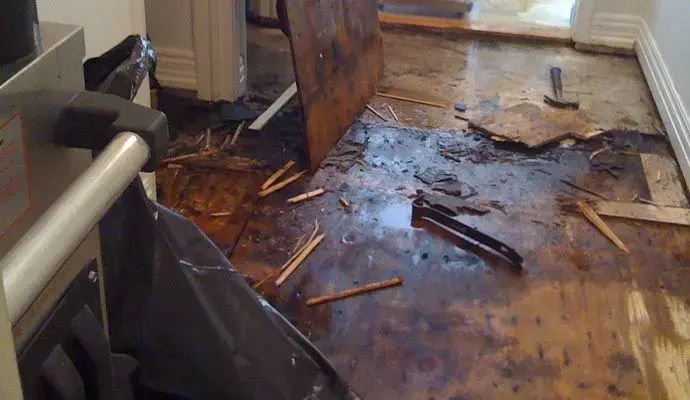
What a Clayton water damage job looks like in progress
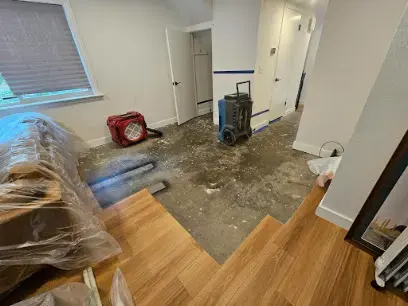
Water damage service across all of Clayton
Neighborhoods and corridors
ZIP code
Nearby towns
Need help with water in Clayton?
Tell the dispatcher what happened, which rooms are wet and whether the water came from a clean supply or a drain, and the crew plans the first visit around that.
Texting photos of the damage speeds up planning, and a written summary of the first visit follows so the homeowner and the carrier hold the same record.
(888) 774-9605Contact the Clayton crewClayton, CA · [email protected]
Water risks in and around Clayton
Clayton sits at the foot of Mount Diablo, where winter storms send runoff down hillsides and into Mt. Diablo Creek, and summers run hot and dry. Those two seasons shape much of the water damage seen in town.
Snow fell in Clayton and Concord for the first time since the 1970s, a reminder that rare winter weather can still test roofs and exposed pipes here.
An atmospheric river closed Marsh Creek Road between Brentwood and Clayton with rock slides and mud, and streets and streams flooded in Concord and Clayton.
- Mt. Diablo Creek: The principal stream through town has flooded the Town Center and the floodplain between Clayton Road and Kirker Pass Road, and Donner Creek, Mitchell Creek and Peacock Creek join it inside Clayton.
- Floodplain homes: A FEMA rule on berms put about 200 more homes north of Clayton Road along the creek in the 100-year floodplain.
- Atmospheric rivers: Heavy winter storms can stress hillside roofs and send runoff toward garages, crawl spaces and lower floors.
- Hot summers: Air conditioners run hard in dry summer heat, and a clogged condensate drain can overflow into the ceiling below.
- Aging plumbing: Many homes date from the 1970s to the 1990s, so supply fittings and appliance connections are common failure points.
Clayton water damage questions answered
How soon should water extraction start after a leak?
As early as possible. Water moves into baseboards, walls and subfloors quickly, and early extraction usually keeps a job in the smaller cost tiers with less material to tear out.
Does the crew handle sewage backups in Clayton?
Yes. Backups inside the home need containment, removal of soaked porous materials and antimicrobial treatment. A blockage in the street main is a City of Concord matter, and the crew handles the interior cleanup. See sewage backup cleanup for the process.
Who handles a sewer problem in the street?
The City of Concord collects wastewater from Clayton, so a street main problem is reported there. The Central Contra Costa Sanitation District treats it, and cleanup inside the house is a separate restoration job.
Can Mt. Diablo Creek flooding reach Clayton homes?
Yes. The creek has flooded the Town Center and the floodplain between Clayton Road and Kirker Pass Road, and a FEMA rule on berms put about 200 more homes north of Clayton Road in the 100-year floodplain. See storm flood cleanup for the steps.
What usually causes water damage in Clayton homes?
Aging supply fittings in houses from the 1970s to the 1990s, failed water heaters, clogged air conditioner drains in summer, and winter roof and runoff leaks are the common sources.
Who do I call about the public water supply?
Contra Costa Water District treats and delivers Clayton's drinking water, so the district handles the public system. Water that has already reached the house is the restoration crew's job.
How long does structural drying take?
It depends on the materials and the class of loss, but most jobs run several days with daily readings. Equipment stays until every wet area reads at its dry reference.
Does the crew work with insurance adjusters?
The crew keeps photos, moisture logs and equipment records that an adjuster can read. The homeowner confirms coverage and deductibles with the carrier directly.
Is it safe to stay in the house during drying?
For clean water jobs usually yes, though the equipment is loud. Areas with gray water or sewage are sealed off with containment, and the crew says when a room should stay empty.
Does the crew dry shops and offices in Clayton?
Yes. Businesses around the Town Center and Main Street are dried in phases, zone by zone, so the space can stay open where it is safe to do so.
Water in your Clayton home right now?
Describe the leak and the wet rooms, and the crew will start planning extraction and drying right away.
Do not wait on water in your Clayton home
Water keeps moving into floors and walls after the leak stops, so waiting turns a small repair into a large one. Describe what happened and the crew will plan extraction and drying around your home.
(888) 774-9605Request a Clayton visit