Sewage Backup Cleanup in Walnut Creek
Sewage in a house is a health hazard, not just a mess. Crews work under containment in protective gear, remove what the water touched, and disinfect what stays.
(888) 774-9605Request sewage cleanup help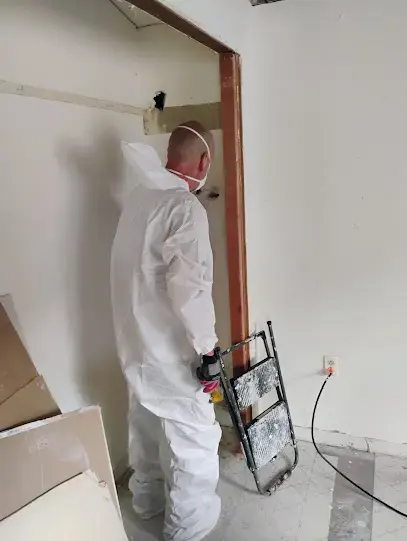
First steps for sewage backup cleanup in Walnut Creek
- 1
Stay out
Keep everyone away from the water, including pets.
- 2
Stop using drains
Do not flush or run water until the blockage is cleared.
- 3
Call a plumber
A clog in the lateral or drain has to be cleared.
- 4
Photograph from the doorway
Record the damage without stepping into the water.
How sewage backup cleanup work is done in Walnut Creek
Sewage backups push contaminated water out of floor drains, tubs, or toilets and into the house. Central San provides wastewater service in the area, and property owners maintain the private sewer lateral that connects the house to the public sewer, so a blockage in that pipe is one common route for a backup. The material is treated as category three water, and nothing porous that it touched is dried and kept. Overflows that stay in one bathroom are covered under toilet overflow cleanup.
What does sewage backup cleanup cost in Walnut Creek, CA?
A backup in one bathroom is the lowest tier, several rooms cost more because of carpet, drywall, and air scrubbing, and a lower floor or crawl space reaches the top of the range.
One bathroom
$2,500 to $6,000
- Containment
- Flooring removed
- Antimicrobial and drying
Several rooms
$6,000 to $13,000
- Carpet and drywall removed
- HEPA air scrubbing
- Framing dried
Lower floor or crawl space
$13,000 to $22,000
- Large removal
- Contents set aside
- Extended drying
Ranges are typical, not a quote: category of water, square footage, material class and how fast drying started move the number most. Run the water damage cost calculator for a closer range.
The sewage backup cleanup process in four steps
The tech who does the walkthrough maps moisture before any equipment goes down, so the drying plan matches what is actually wet. Equipment stays until the readings say dry, not until it looks dry.
- 1
Contain the zone
Barriers and an air scrubber isolate the affected rooms.
- 2
Extract and remove
Sewage is pumped and porous materials are bagged.
- 3
Disinfect
Remaining surfaces are cleaned and treated.
- 4
Dry and clear
Readings must match the reference before containment comes down.
What the crew does first
Before anything is removed, the area is isolated so contamination does not travel on shoes, tools, or air.
- Plastic barriers seal the affected rooms
- An air scrubber with HEPA filtration runs inside the zone
- Gloves, boots, respirators, and suits are worn by the crew
- HVAC registers in the zone are covered
- Standing sewage is extracted into sealed containers
What has to be removed
Carpet, pad, drywall, insulation, and any soft material that absorbed sewage are cut out and bagged. Hard surfaces and framing are cleaned and treated with an antimicrobial, and the removal stops at the height where readings show the water reached.
Belongings are sorted into items that can be cleaned and items that must be discarded, with photos kept for the insurance claim.
Cleaning and drying
After removal, surfaces are scrubbed, treated, and rinsed, and the air scrubber keeps running while dehumidifiers and air movers dry the framing and subfloor. Final readings must match the dry reference before containment comes down, with structural drying records handed to the owner.
- Framing cleaned and treated
- Subfloor dried to reference
- Air quality managed with HEPA filtration
- Containment removed after final readings
Central San promotes a sewer popper, also called an overflow protection device, as protection against backups, and a plumber can say whether one suits a property.
Sewage backup cleanup across Walnut Creek and nearby towns
Sewage backup calls are taken across ZIP codes 94595, 94596, 94597, and 94598, including Miramonte, Homestead, Parkmead, Saranap, Northgate, and the downtown streets of Walnut Creek.
The same service nearby: sewage backup cleanup in Danville, Alamo, Lafayette.
Water damage restoration in Walnut Creek · every town covered
Related water damage services in Walnut Creek
Sewage Backup Cleanup questions in Walnut Creek, CA
Is a sewage backup dangerous to touch?
Yes. It can carry bacteria and other pathogens, so contact should be avoided until trained crews with protective equipment handle it.
Can carpet be cleaned after sewage?
No. Carpet and pad that absorbed sewage are removed because they cannot be reliably cleaned or dried.
Who is responsible for the sewer lateral?
Property owners maintain the private lateral between the house and the public sewer. Central San handles the public side.
Does insurance cover sewage backup?
Many policies need a special endorsement for backup, so check with your own insurer. The crew documents everything.
Can the house be used during cleanup?
Unaffected rooms often can, since containment keeps the work area sealed. Affected rooms stay off limits until clearance readings.
How can backups be prevented?
Central San promotes sewer poppers, and a plumber can inspect the lateral for roots or blockages.
Still dealing with it?
Sewage in a Walnut Creek house? The crew will outline containment and removal.
Sewage cleanup under containment
The crew isolates the area, removes what the water touched, disinfects, and dries the structure, with records kept for the claim.
(888) 774-9605Plan sewage cleanup