Water Extraction in Walnut Creek
Standing water in a Walnut Creek house keeps soaking floors and walls until it is pumped out. Extraction comes first, and drying starts the moment the surfaces are clear.
(888) 774-9605Request water extraction in Walnut Creek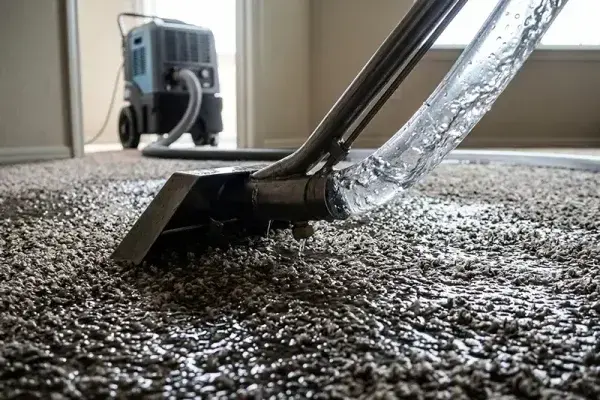
First steps for water extraction and removal in Walnut Creek
- 1
Shut off the supply
Close the shutoff or fixture stop and switch off power to wet areas.
- 2
Keep out of the water
Standing water near outlets and appliances can carry current, so wait for the crew.
- 3
Move small items
Lift rugs, electronics, and loose contents onto dry surfaces.
- 4
Photograph the damage
Capture the water, the surfaces, and belongings before extraction begins.
How water extraction and removal work is done in Walnut Creek
Extraction decides how much of a house has to be torn out. Water pulled from carpet, hardwood, and the floor surface early leaves little to wick into walls, while water left standing keeps soaking drywall and baseboards. In Walnut Creek that matters after a main break, a failed hose, or storm runoff that reaches a ground floor, and the next step is always structural drying.
What does water extraction and removal cost in Walnut Creek, CA?
Most extraction jobs start in the first range below and move up as pad, hardwood, or contaminated water enters the picture. The written estimate follows the moisture survey, and insurance terms decide what a homeowner pays.
One wet room
$1,000 to $2,800
- Standing water extracted
- Carpet dried in place
- Daily readings
Several rooms
$2,800 to $5,500
- Pad removed where needed
- Hardwood drying
- Baseboards checked
Gray or black water
$5,500 to $8,500
- Pad and porous items removed
- Antimicrobial applied
- Containment where needed
Ranges are typical, not a quote: category of water, square footage, material class and how fast drying started move the number most. Run the water damage cost calculator for a closer range.
The water extraction and removal process in four steps
The tech who does the walkthrough maps moisture before any equipment goes down, so the drying plan matches what is actually wet. Equipment stays until the readings say dry, not until it looks dry.
- 1
Locate the water
Meters and a thermal camera show where water traveled.
- 2
Pump and wand
Bulk water goes first, then wands lift carpet and floor moisture.
- 3
Pull what cannot dry
Saturated pad and soft materials are removed and bagged.
- 4
Hand off to drying
Air movers and dehumidifiers take over once surfaces are clear.
What gets removed first
The crew works from the deepest water outward, so pumps handle the pooling and wands finish the carpet and pad.
- Standing water on tile, vinyl, concrete, and hardwood surfaces
- Water held in carpet and the cushion beneath it
- Water trapped beneath vinyl and laminate planks
- Pooled water behind kitchen toe kicks
- Saturated rugs and loose contents moved aside
- Water draining toward doorways and low corners
Sources around town
Downtown Walnut Creek has a creek running through tunnels beneath it and a documented 1958 flood, which is why storm water and main breaks are taken seriously here. A failed supply pipe, as covered under burst pipe water damage, an overflowing fixture, or runoff entering a garage all produce the same problem: water in places that cannot dry by themselves.
The source decides the plan. Clean water from a supply pipe is treated differently from gray or storm water, and the crew confirms which one it is before choosing what stays. Water that came through a ceiling is handled as well, since it often reaches carpet and furniture before the leak is found.
When extraction turns into removal
Carpet pad holds water like a sponge and rarely dries quickly, so it is usually cut out and discarded while the carpet itself is lifted, dried, and often reinstalled. Hardwood is dried with mats where the boards are still flat, and boards that cup or crown are watched over the following days, since some may still need replacement if they will not settle. Anything that touched gray or contaminated water is removed instead of dried.
- Pad removed and bagged
- Carpet lifted and dried when clean
- Hardwood boards checked for cupping
- Baseboards pulled to release trapped water
Water that looks gone from the surface is often still inside the pad and the wall base, so readings, not appearance, decide when extraction is finished.
Water extraction and removal across Walnut Creek and nearby towns
Extraction crews work across ZIP codes 94595, 94596, 94597, and 94598, from Parkmead and Tice Valley to Rossmoor, Saranap, Northgate, Walnut Heights, and the downtown area.
The same service nearby: water extraction and removal in Danville, Alamo, Lafayette.
Water damage restoration in Walnut Creek · every town covered
Related water damage services in Walnut Creek
Water Extraction and Removal questions in Walnut Creek, CA
How quickly does water spread into walls?
Drywall and baseboards wick moisture upward, so a puddle can become a wet wall quickly. Extracting early shortens that wicking.
Can carpet be saved after a leak?
Often, when the water is clean and removal is prompt. Gray or contaminated water usually means the pad, and sometimes the carpet, is discarded.
Is hardwood flooring ruined by standing water?
Not always. Hardwood can often be dried with mats and gentle airflow if extraction happens before it cups, though some boards may need replacement.
What happens to water that came from outside?
Storm runoff and creek water count as contaminated, so extraction is followed by cleaning, antimicrobial treatment, and removal of porous materials.
Does extraction include drying?
Extraction removes bulk water, and a separate drying phase brings walls, framing, and floors down to a dry reading.
What should be photographed first?
The source, the wet rooms, and damaged belongings, taken before anything is moved, so the claim file starts with clear conditions.
Still dealing with it?
Water on the floor in Walnut Creek? Describe what happened and the crew will outline extraction steps.
Extraction starts with one request
Share the source, the rooms involved, and the water type, and the crew confirms pumping, removal, and the drying handoff.
(888) 774-9605Request Walnut Creek extraction