Water Damage Restoration in Lafayette, CA
Wet floors, soaked ceilings and backed-up drains in Lafayette get extraction and structural drying, with moisture readings logged each day so the paperwork holds up with an insurer.
(888) 774-9605Get Lafayette water cleanup started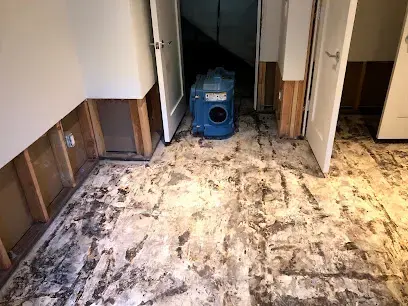
Every water problem a Lafayette home can face
From a split supply pipe in a Burton Valley ranch house to a storm-soaked garage near Lafayette Creek, each job starts with extraction and a moisture map. Choose the service that matches where the water came from, or start with extraction if the source is not clear yet.
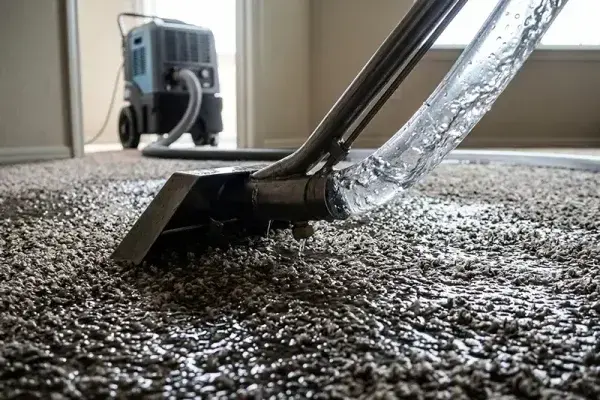 Water Extraction and RemovalStanding water pulled out of floors and low spots in Lafayette homes before it wicks into walls and subfloor.View service
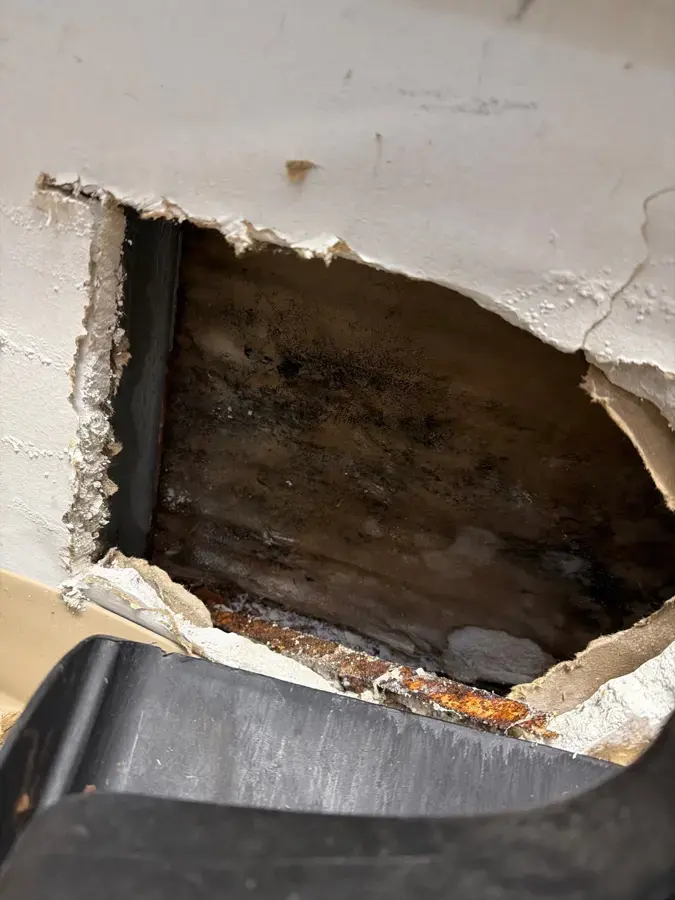 Burst Pipe Water DamageSplit supply pipes and failed fittings in Lafayette's 1950s to 1980s homes, with wall cavities opened, dried and logged for the claim.View service
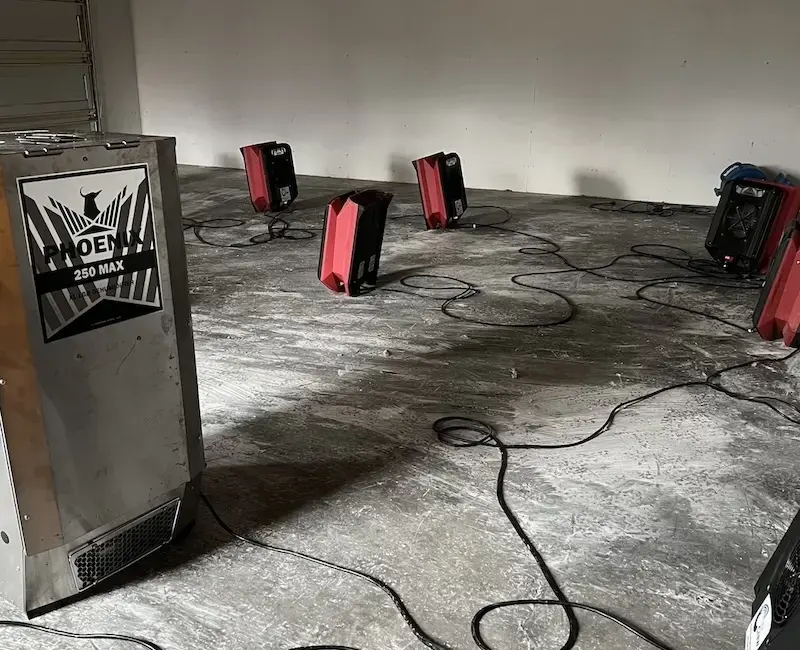 Slab Leak Water DamageA leak under a ranch home floor shows as warm spots or damp flooring, then slab drying and floor removal as needed.View service
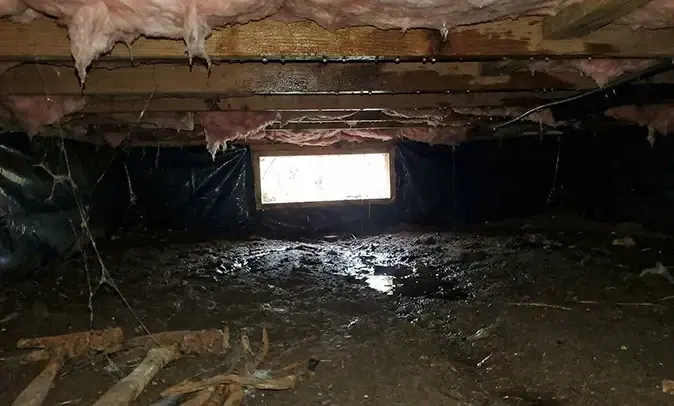 Crawl Space Water DamageWater collecting under a hillside house after a storm gets pumped out, with wet insulation removed and the soil treated.View service
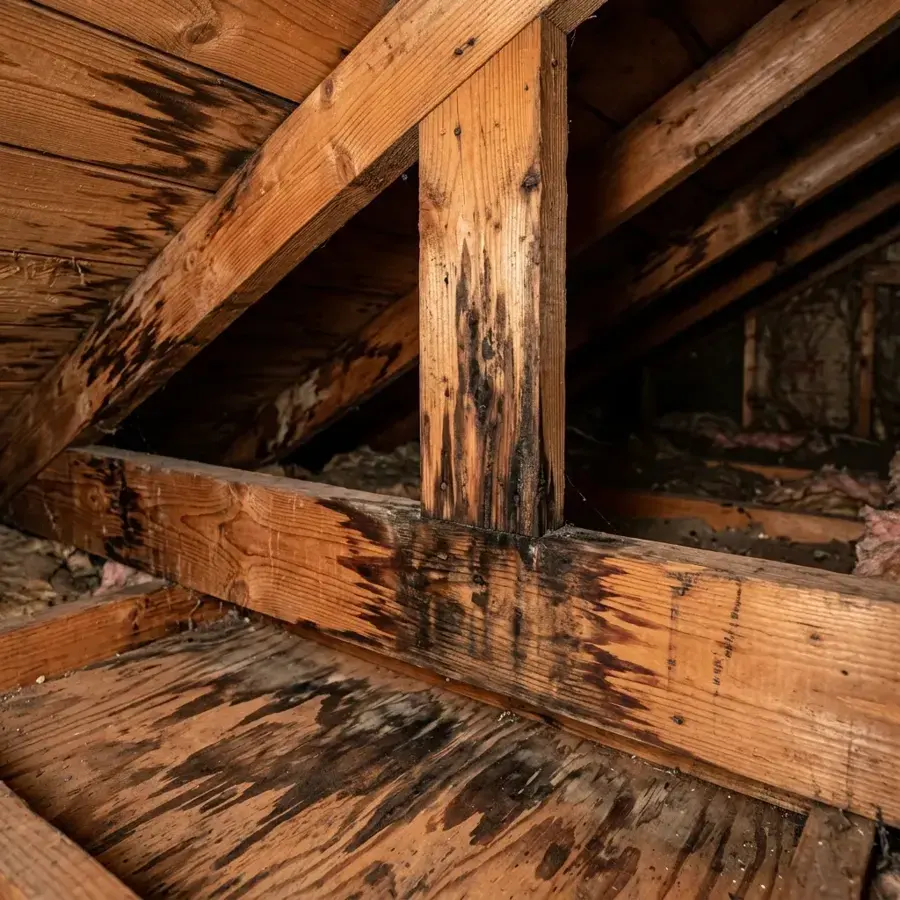 Storm Roof Leak Water DamageWinter rain that finds a way through roofing, with attic insulation and ceilings checked and dried after the storm passes.View service
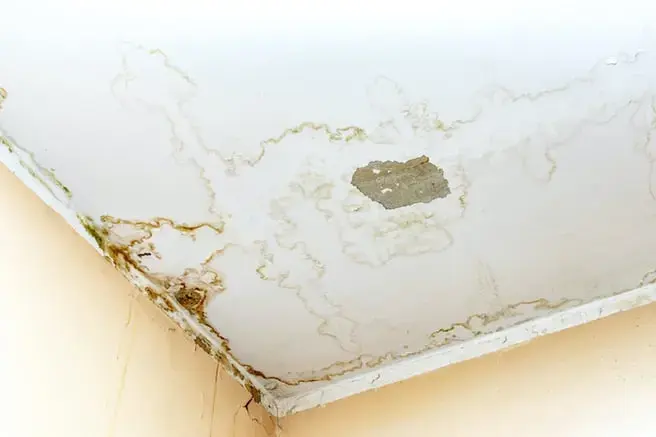 Ceiling Leak Water DamageStains and sagging drywall traced back to a roof, bathroom or pipe, then the ceiling cavity opened and dried.View service
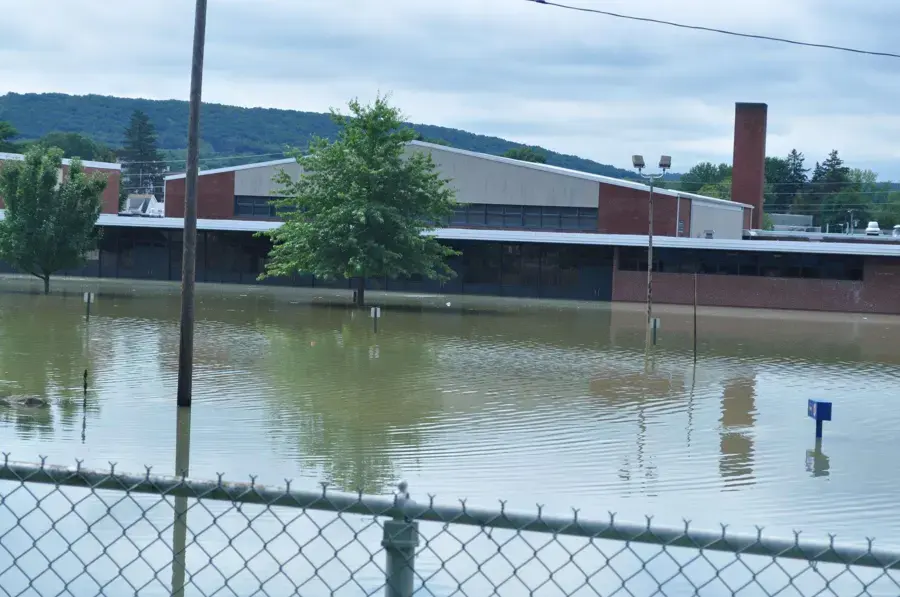 Storm Runoff Flood CleanupRunoff, silt and clogged storm drains pushing water into garages and lower rooms, cleared and dried out room by room.View service
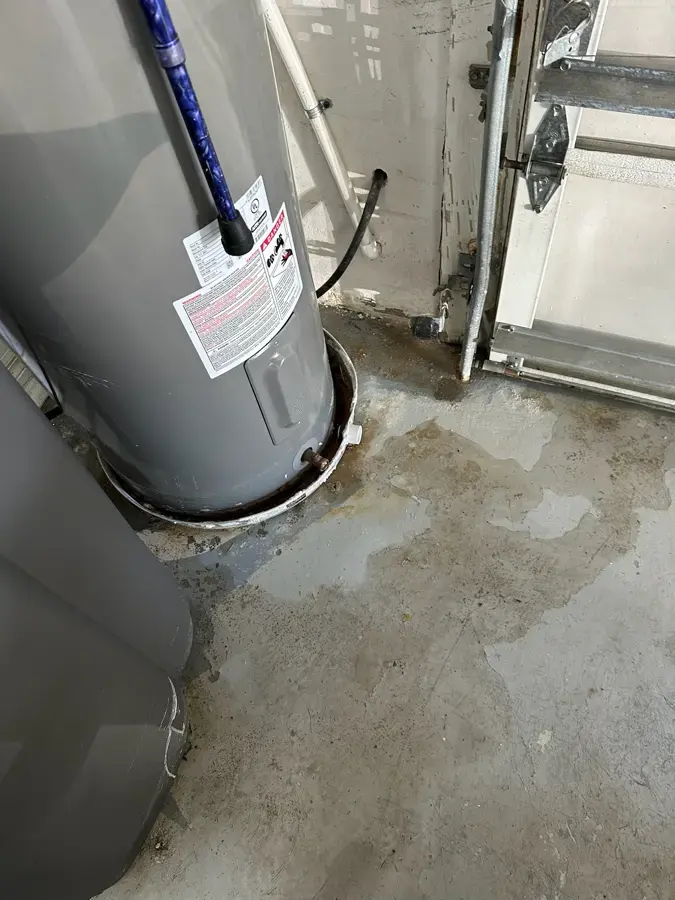 Water Heater Leak CleanupA tank that fails in a garage or closet gets extracted, and walls and flooring beside it are checked.View service
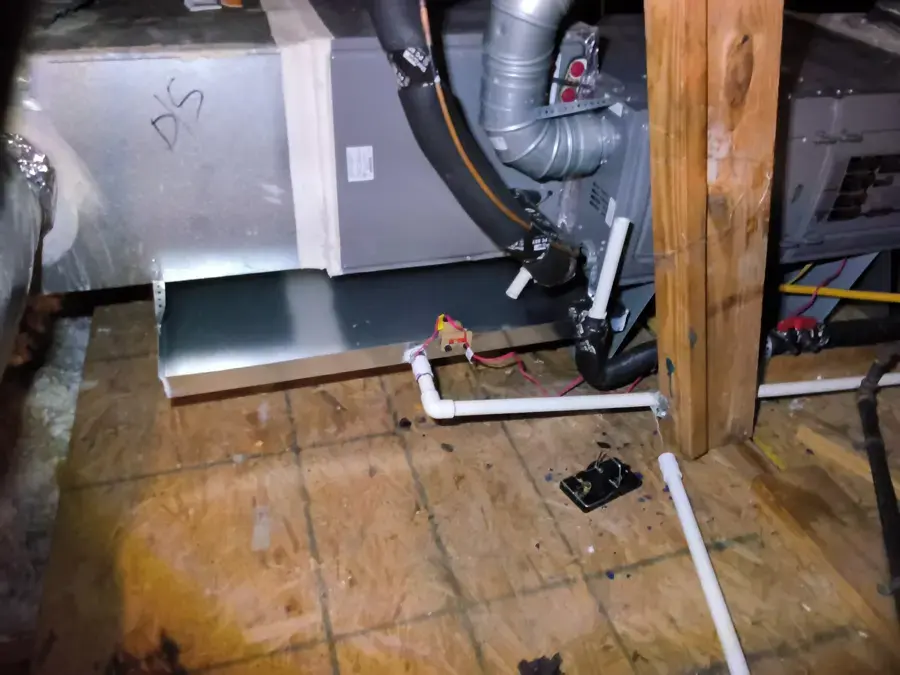 AC Condensate Leak Water DamageA clogged condensate drain or cracked pan that wets a ceiling or closet wall, dried before it spreads.View service
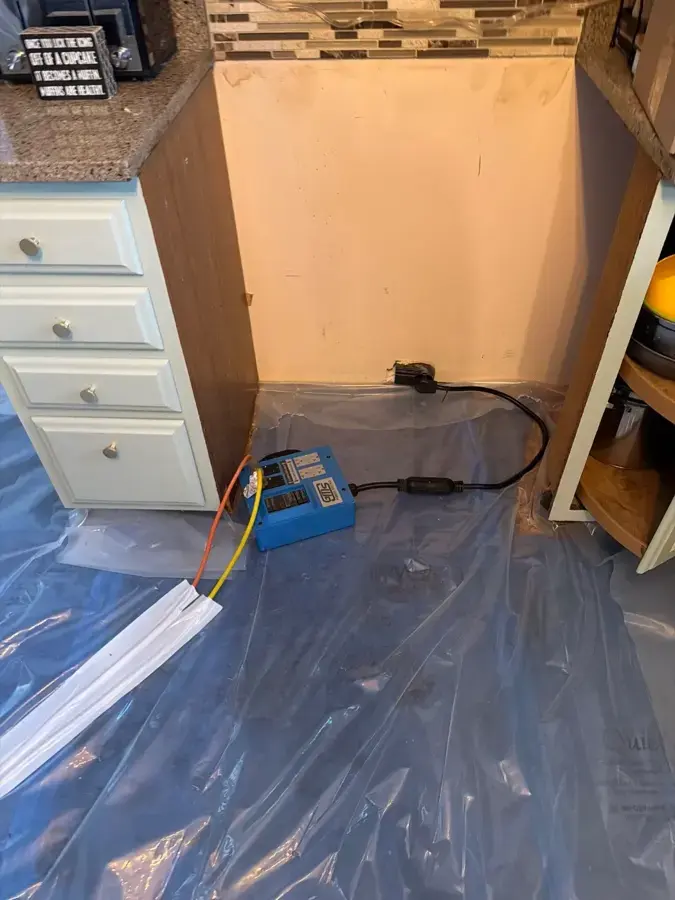 Appliance Leak Water DamageDishwasher, washer and refrigerator leaks dried under cabinets and floors, including upstairs units that drip into a ceiling.View service
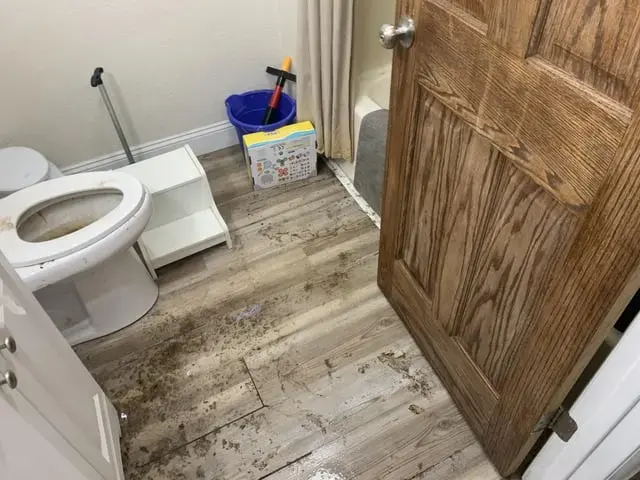 Toilet Overflow CleanupClean or gray water from an overflowing toilet is extracted, the floor and subfloor dried and the bathroom sanitized.View service
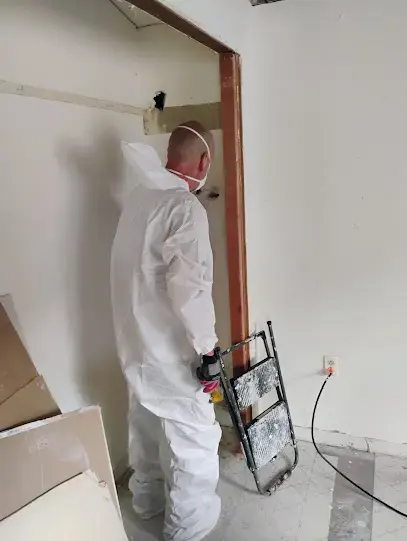 Sewage Backup CleanupBackups from the sewer lateral are contained, porous materials removed and the area disinfected, with the owner's lateral and the public sewer kept distinct.View service
Structural Drying and DehumidificationMoisture meters, air movers and low-grain refrigerant dehumidifiers dry framing and floors until readings hit the dry standard.View service
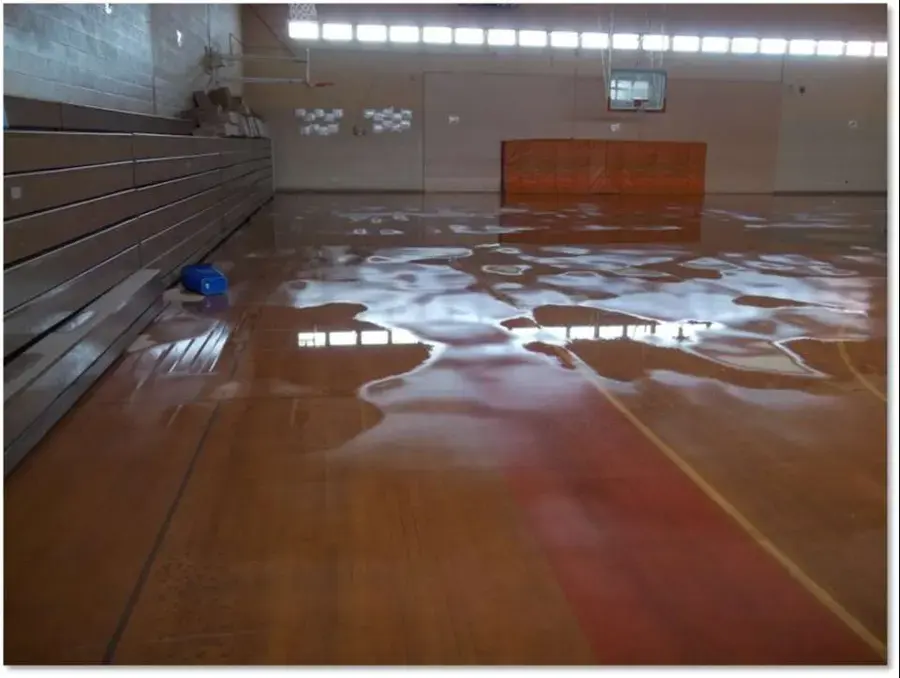 Commercial Water DamageA leak in a shop or office along Mt. Diablo Boulevard is dried in phases so neighboring units can stay open.View service
What to do the moment water shows up at home
- 1
Stop the source
Close the fixture valve or the main shutoff at the house, and turn off power to any wet outlet before stepping in.
- 2
Move people and valuables
Lift small items, pull rugs and keep family and pets off wet floors, especially if the water looks gray or smells of sewage.
- 3
Take photos first
Photograph the damage, the source and any wet belongings before anything is moved, since adjusters rely on those images later in the claim.
- 4
Get extraction going
Standing water does the most harm to flooring and drywall, so pulling it out early limits how much has to be torn out.
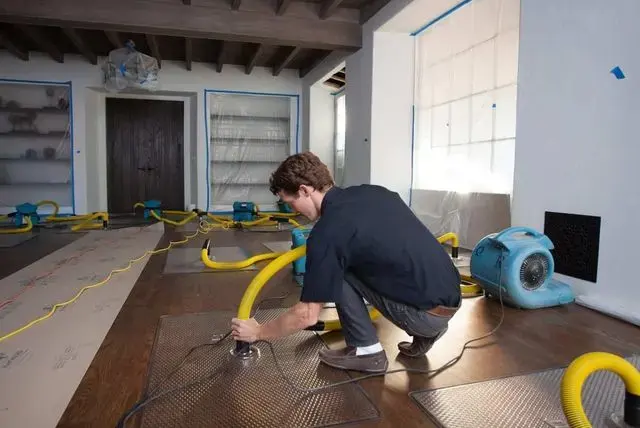
Careful water work for Lafayette homes and shops
Each Lafayette job begins with a moisture survey, followed by extraction, controlled demolition only where the readings call for it, and drying equipment sized to the rooms. Photos and readings go into a file the insurer can follow.
Rapid local response
Crews who know the hillside streets and older neighborhoods set up extraction first, then turn to the drying plan.
IICRC S500 drying
Drying targets, equipment counts and daily readings follow the IICRC S500 standard, so the end of the job is a measured number, not a feeling.
Claim-ready documentation
Moisture logs, equipment records and dated photos are kept together, ready to hand to an adjuster.
Local water know-how
Crews understand creek channels, clogged storm drains and the owner's duty for the private sewer lateral.
Drying is finished when the readings say so
Lafayette's wet winters leave materials damp if drying is rushed or stopped early. The crew maps moisture first, sets equipment to the IICRC S500 standard and logs readings daily until framing and floors match dry reference points. Skipping the last readings is how hidden dampness turns into trouble.
Typical drying schedule
- Day 1, mapMeters and a thermal camera trace where water traveled through floors, walls and ceilings before any tear-out starts.
- Day 1, extractPumps and wands pull standing water first, and wet pad comes out of carpeted rooms.
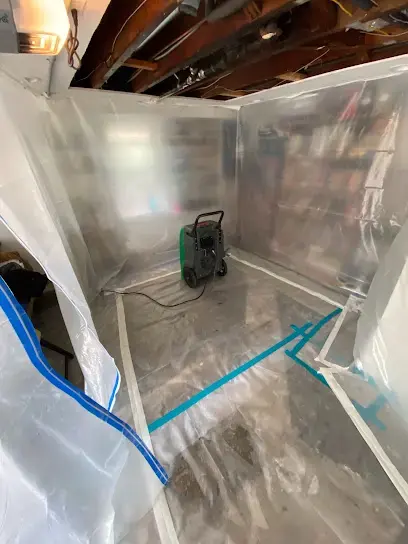
- Day 1, setAir movers and dehumidifiers go in by room volume, with wall cavities opened or drilled where readings stay high, and containment sealed.
- Each day, read and adjustEquipment is moved, readings are logged and any wet spot that is lagging gets more airflow.
- Final day, verifyReadings are compared with dry reference points, equipment comes out and the file is completed for the adjuster.
What does water damage restoration cost in Lafayette?
Cost depends on how far water spread, how long it sat and whether it was clean, gray or sewage water. Equipment days and the amount of demolition move the total most, and a written scope is shared before work begins.
Contained clean-water leak
$1,300 to $4,800
- Standing water pumped out
- Affected rooms mapped and dried
- Daily moisture readings
Water spread through several wall cavities
$4,800 to $13,000
- Baseboards removed and dried
- Pad and flooring lifted
- Lower drywall opened
Long exposure or sewage water
$13,000 to $26,000
- Gray or black water
- Porous materials removed
- Extended drying and containment
Gray or black water, hardwood and slab drying, and any pad or drywall removal push a job toward the upper bands. Use the water damage cost calculator for a closer range based on the rooms affected.
Clean, gray and black water are handled differently
Category 1, clean water
A split supply pipe releases clean water that can often be dried in place if caught before it soaks the pad.
Burst pipe water damageCategory 2, gray water
A washer or dishwasher leak carries some contamination, so pad and soft materials usually come out and surfaces are cleaned before drying.
Appliance leak water damageCategory 3, black water
Sewage from a backed-up lateral is hazardous, so the area is contained, porous materials come out and surfaces are disinfected.
Sewage backup cleanupDocumenting the loss for adjusters
Adjusters want proof of what happened and how it was handled, so every Lafayette job builds a record from the first meter reading.
- Dated photos of the source and every wet room
- Moisture readings taken at the start and each day
- Equipment placed, counted and logged by room
- Itemized list of materials removed and why
- Written scope shared with the adjuster up front
Confirm coverage with the insurer
Policies differ on sudden leaks, storm runoff, sewage backup and slow seepage, so coverage is worth confirming with the insurer before repairs are scoped. A separate endorsement is sometimes needed for sewer or drain backup.
Restoration work is described here, not policy terms, so the homeowner's own insurer has the final word on what is covered.
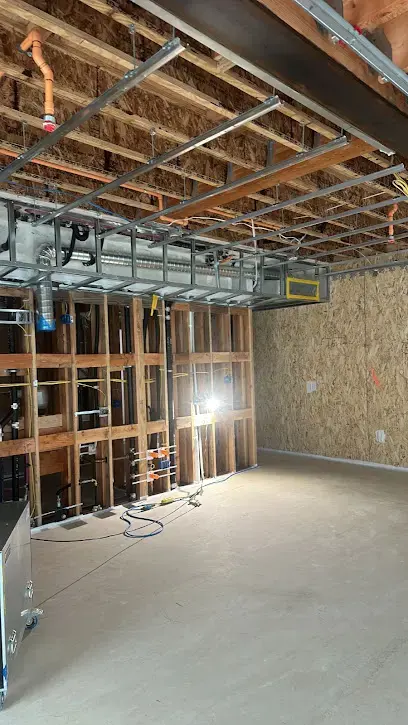
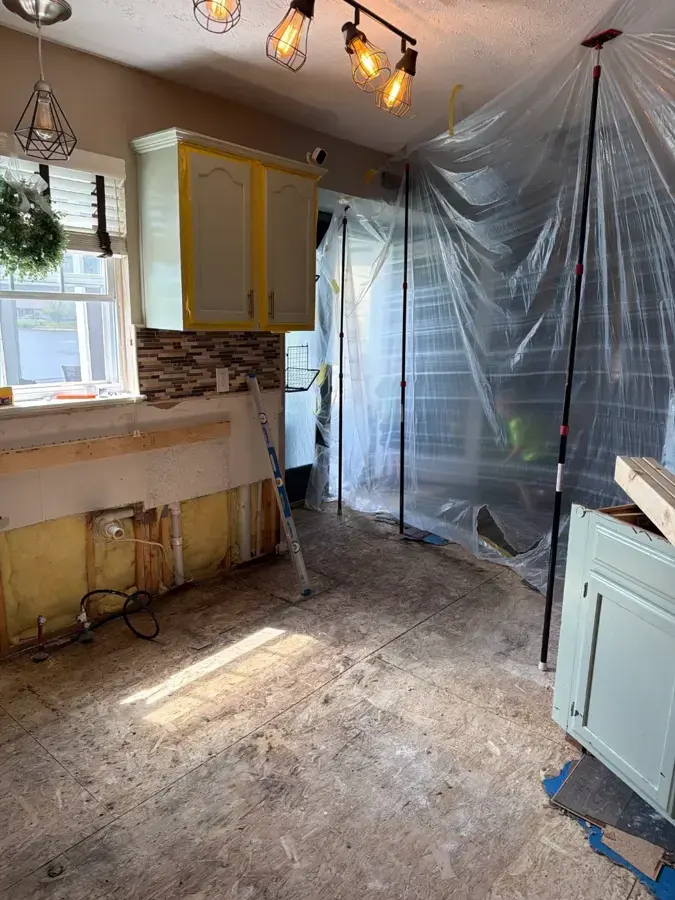
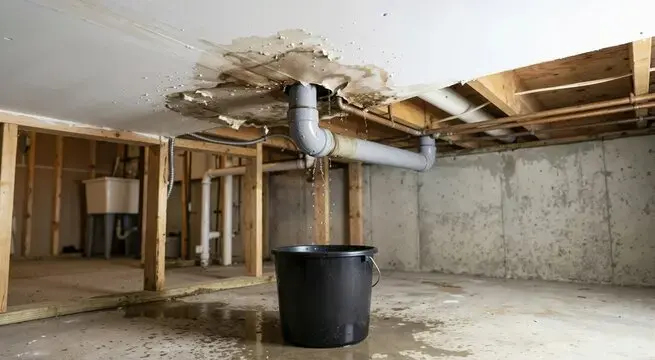
Typical stages of a Lafayette water damage job
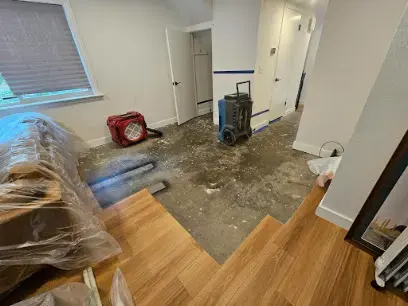
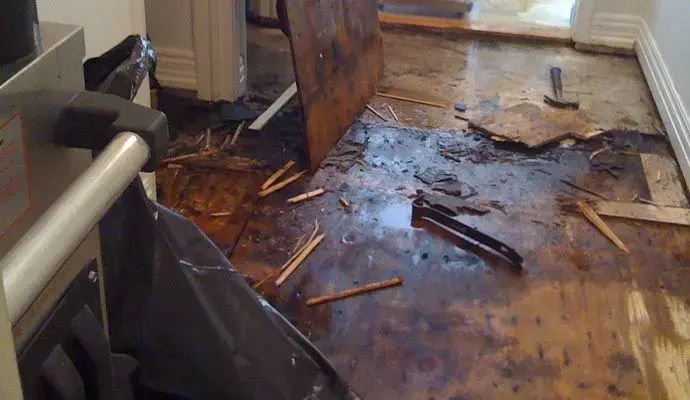
Neighborhoods and streets served across Lafayette
Neighborhoods and corridors
ZIP code
Nearby towns
Water in a Lafayette home right now?
Call or send the details through the form and a coordinator will ask where the water came from, which rooms are wet and whether the source is stopped.
Photos of the wet area, the source and any damaged belongings help the crew plan equipment before it is loaded, and the same photos go into the claim file.
(888) 774-9605Contact the Lafayette crewLafayette, CA · [email protected]
Where Lafayette water trouble starts
Lafayette mixes hillsides, creek channels and homes from the 1950s to the 1980s, so water arrives from storm runoff, aging pipes and drains, and failed fixtures. The events below show how it has played out locally.
A 12-inch cast-iron EBMUD main installed in 1948 burst in a Lafayette neighborhood, flooding one house and leaving 35 homes without water.
A storm brought flooding and mudslides to Lafayette, blocking streets, eroding creek banks, bringing down trees and busting a drainpipe. Lafayette proclaimed a Local State of Emergency on January 4, 2023, ahead of a major atmospheric river storm.
- Water main failures: EBMUD supplies the water, and its older mains have burst in Lafayette neighborhoods, sending water and debris downhill toward homes.
- Creek channels: Lafayette Creek crosses the town center and Las Trampas Creek flows through town, so creek care on a property falls to its owner.
- Clogged storm drains: The city names clogged storm drains as the most common cause of flooding in its residential neighborhoods, and private drainage stays the owner's job.
- Sewer lateral: Central San maintains the public sewer, but the owner is responsible for the whole lateral from the building to the main, fitting included.
- Hillside areas: Happy Valley is a hillside area, and the December 31, 2022 mudslides show how heavy rain moves earth and water toward streets.
Lafayette water damage questions answered
Who handles water damage restoration in Lafayette?
Local crews extract water, set drying equipment and document readings for homes and shops across Lafayette, from Burton Valley to Downtown Lafayette and the Mt. Diablo Boulevard corridor.
How fast should water be removed from a house?
As early as possible. Standing water soaks pad, baseboards and drywall quickly, and drying gets harder and costlier the longer materials stay wet, so calling at the first sign beats waiting to compare estimates.
Who is responsible for the sewer lateral?
The property owner is responsible for the entire lateral from the building to the public sewer, including the fitting at the main, while Central San maintains the public sewer itself.
What if the water is gray or sewage?
Gray and black water call for containment, removal of porous materials and disinfecting before drying, and the crew keeps those areas separate from clean rooms.
Does the city help with drainage on private property?
Owners maintain swales, channels and storm drains on private property, and the city does not assist on private streets unless the area is in the public right of way or a formally accepted drainage easement.
Is a sewer inspection required when a house sells?
Lafayette does not require a sewer lateral inspection at sale, but a lateral that has backed up before is worth having checked.
Is a failed water heater a permit job?
The city's building permits page lists mechanical or plumbing permits for water heater repair or replacement in single-family homes, so a failed tank often means a permitted replacement after the cleanup.
Will insurance cover the damage?
Coverage depends on the policy and the water source, and sudden leaks are treated differently from slow seepage. The restoration file of photos and readings gives the adjuster what is needed to decide.
How long does structural drying take?
Most clean-water jobs dry in about three to four days, though gray water, hardwood or slab moisture can run longer. Daily readings decide when equipment comes out, as described under structural drying.
Are commercial properties on Mt. Diablo Boulevard served?
Yes. Shops and offices around Lafayette Plaza and along Mt. Diablo Boulevard are dried in phases so a leak in one unit does not shut down neighboring spaces.
Water damage question not answered here?
Describe the situation and a coordinator will say what is likely involved and what the first steps should be.
Standing water in Lafayette does not wait for a convenient time
Contact the crew with a few photos and a short description. The first call covers where the water came from, which rooms are wet and what to do until equipment is set.
(888) 774-9605Book a Lafayette water inspection