Water Extraction and Removal in Lafayette, CA
Standing water in a Lafayette garage, hallway or lower room is pumped out and the wet materials are mapped, so drying can begin before moisture moves into walls and subfloor.
(888) 774-9605Request water extraction in Lafayette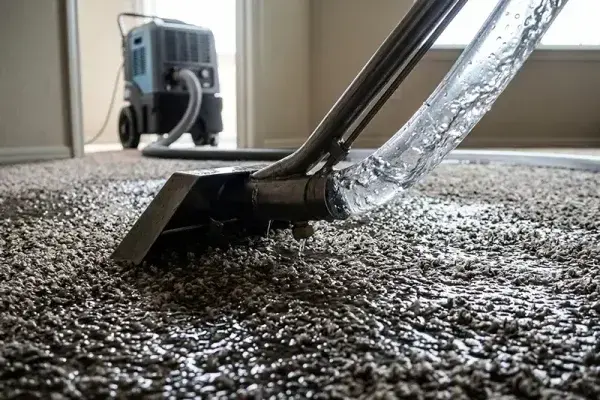
First steps for water extraction and removal in Lafayette
- 1
Stop the source
Close the fixture valve or the main shutoff so no new water reaches the floor.
- 2
Cut the power
Turn off breakers feeding wet outlets and keep cords out of standing water.
- 3
Lift what is movable
Raise furniture legs, pull rugs and move electronics to dry rooms.
- 4
Photograph the room
Capture every wet surface and the source before extraction begins.
How water extraction and removal work is done in Lafayette
Water that sits on a floor does not stay put. It wicks into baseboards, carpet pad and the bottom of the drywall, and the longer it sits the more has to be removed. Lafayette homes sit below hillsides and creek channels, and the December 31, 2022 storm and the EBMUD pipe failures of October and November 2015 showed how quickly water can run downhill into a house. Extraction comes first because drying equipment cannot dry a floor that is still under water.
What does water extraction and removal cost in Lafayette, CA?
Extraction for one wet room runs $1,000 to $2,800, several rooms $2,800 to $5,500 and gray or black water $5,500 to $8,500. Pad removal, hardwood drying and containment drive most of the movement between bands.
One wet room
$1,000 to $2,800
- Extraction of standing water
- Carpet dried in place
- Daily readings
Several rooms
$2,800 to $5,500
- Pad removed where needed
- Hardwood drying
- Baseboards checked
Gray or black water
$5,500 to $8,500
- Pad and porous items removed
- Antimicrobial applied
- Containment where needed
Ranges are typical, not a quote: category of water, square footage, material class and how fast drying started move the number most. Run the water damage cost calculator for a closer range.
The water extraction and removal process in four steps
The tech who does the walkthrough maps moisture before any equipment goes down, so the drying plan matches what is actually wet. Equipment stays until the readings say dry, not until it looks dry.
- 1
Find the source
Confirm the supply is off and note where water entered.
- 2
Map the spread
Meters and a thermal camera show where water traveled.
- 3
Extract the water
Pumps and wands clear standing water, and wet pad comes up.
- 4
Start the drying
Equipment is set and the first readings are logged.
Why extraction speed sets the scope
Clean water that is removed early often lets carpet and hardwood be dried in place. Water left standing can turn the same room into a gray-water job with pad, baseboards and drywall to replace.
- Portable and truck-mount pumps clear water from garages and low rooms
- Weighted extraction wands pull water out of carpet and pad
- Hardwood and tile get a water-pulling pass before drying mats go down
- Moisture meters check where water traveled beyond the visible wet area
- Photos and readings are logged before anything is cut
What the crew does first
The crew starts by finding the water source and confirming it is stopped, then walks every wet room with a moisture meter and a thermal camera. That walk decides where pumps go, how much pad can be saved and which walls need baseboards pulled. A written plan follows, so the homeowner and the adjuster see the same scope before any material is removed.
Standing water is then pulled with pumps and wands, working from the lowest point outward. Carpet that is clean and structurally sound is lifted at the edges and dried in place when that is practical. See structural drying for what happens next.
Extraction in Lafayette homes and garages
Many Lafayette houses are single-story ranch homes on generous lots, so water that enters through a door or a failed fixture tends to spread across one level instead of dropping to another. Homes near Lafayette Creek or on a slope can take on runoff after a storm. The city names clogged storm drains as the most common cause of neighborhood flooding, so a backed-up drain on the property often explains a wet garage or entry. See storm flood cleanup for runoff jobs.
- Garage and entry water after storm runoff
- Hallway and bedroom floors wet from a pipe failure
- Kitchen and laundry floors under appliances
- Lower rooms soaked by a failed water heater
Trade note: extraction is judged by what the meter reads afterward, not by how dry the surface looks. A floor that feels fine can still hold water in the pad or subfloor.
Water extraction and removal across Lafayette and nearby towns
Extraction crews work across ZIP 94549, including Burton Valley, Springhill, Happy Valley, Reliez Valley, Silver Dell, Tanglewood and Downtown Lafayette, and along Mt. Diablo Boulevard.
The same service nearby: water extraction and removal in Danville, Moraga, Walnut Creek.
Related water damage services in Lafayette
Water Extraction and Removal questions in Lafayette, CA
How quickly should standing water be removed?
Extraction should start as soon as the source is stopped, because pad, baseboards and drywall begin absorbing water immediately and the scope grows the longer it sits.
Can carpet be saved after a flood?
Clean-water carpet can often be dried in place once the water is extracted, but gray or black water usually means the carpet and pad are removed.
What equipment pulls the water out?
Portable and truck-mounted pumps handle standing water, and weighted wands pull moisture from carpet and pad before drying equipment is set.
Does extraction include drying?
Extraction removes the bulk water. Drying with air movers and dehumidifiers follows, and the two are scoped together so nothing is left damp.
Is water from a storm handled differently?
Storm runoff carries soil and debris, so it is treated as contaminated, with silt cleared and affected materials cleaned or removed before drying.
What should be documented for the insurer?
Photos of the source and each wet room, a list of damaged items and the first moisture readings give the adjuster a clear starting point.
Still dealing with it?
Describe the water and the crew explains the first steps.
Standing water in Lafayette needs to come out
Send a few photos and a short note, and the crew outlines what extraction and drying will involve.
(888) 774-9605Request water removal