Storm Runoff Flood Cleanup in Clayton
When creek overflow or hard rain pushes runoff into a garage or lower floor, the crew clears silt and water, cuts wet drywall above the readings, treats surfaces and dries the floor slab and wall framing.
(888) 774-9605Request flood cleanup in Clayton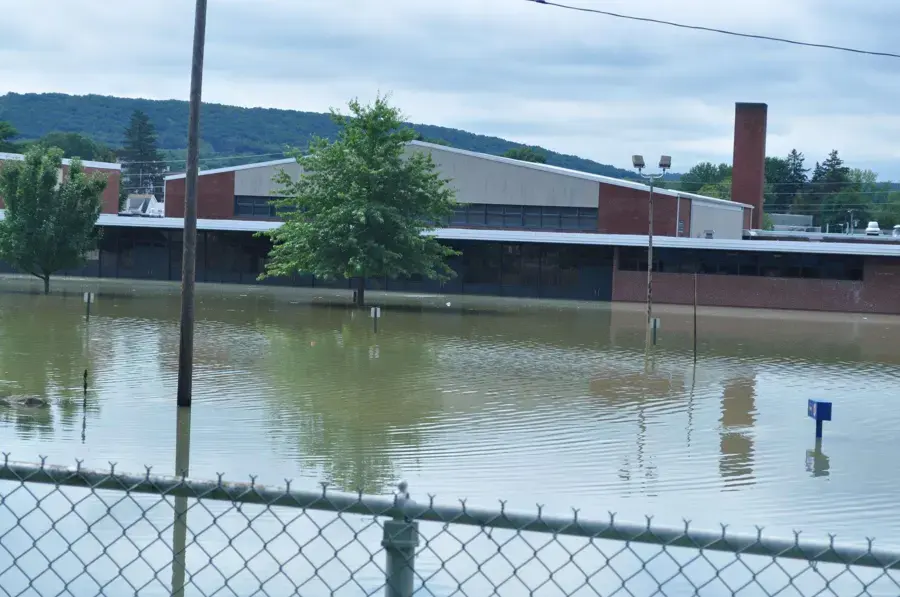
First steps for storm runoff flood cleanup in Clayton
- 1
Stay out of the water
Floodwater can carry contamination and hide electrical hazards, so wait for it to recede.
- 2
Switch off power
Cut breakers to wet areas only if the panel is dry and reachable.
- 3
Photograph everything
Record the high-water mark, silt and each damaged item.
- 4
Call for removal
Describe the garage or rooms affected and whether a drain backed up.
How storm runoff flood cleanup work is done in Clayton
Mt. Diablo Creek is the principal stream through Clayton and has flooded the Town Center and the floodplain between Clayton Road and Kirker Pass Road before. FEMA updated the flood maps for Clayton in 2006, and a rule on berms placed about 200 more homes north of Clayton Road in the 100-year floodplain. Runoff here carries mud, so floodwater is treated as contaminated from the start.
What does storm runoff flood cleanup cost in Clayton, CA?
A garage or single room is the first card, several rooms with removed flooring is the second, and a whole lower floor with extended drying is the third. Silt and contamination move cost up quickly.
Garage or one room
$3,000 to $7,500
- Silt and water cleared
- Drywall cut above readings
- Surfaces treated
Several rooms
$7,500 to $16,000
- Flooring and pad removed
- Containment set
- Slab and studs dried
Whole lower floor
$16,000 to $28,000
- Large removal
- Contents moved aside
- Longer equipment run
Ranges are typical, not a quote: category of water, square footage, material class and how fast drying started move the number most. Run the water damage cost calculator for a closer range.
The storm runoff flood cleanup process in four steps
The tech who does the walkthrough maps moisture before any equipment goes down, so the drying plan matches what is actually wet. Equipment stays until the readings say dry, not until it looks dry.
- 1
Clear and extract
Silt, debris and water go first.
- 2
Cut and clean
Wet drywall comes out and surfaces are treated.
- 3
Contain and dry
Air scrubbers and dehumidifiers run.
- 4
Read and report
Final readings go into the claim record.
What runoff leaves behind
Storm water arrives with silt, debris and whatever it crossed on the way in, so even a thin layer is more than a clean-water spill.
- Silt and debris are shoveled and vacuumed before pumping
- Drywall is cut above the highest wet reading
- Carpet, pad and soaked insulation are removed
- Hard surfaces are cleaned and treated with antimicrobial
- Contents are set aside for the owner to sort
Silt dries into a hard crust that traps moisture and odor, so it is removed while still soft. Mud tracked through the house means every room is checked, not just the one that flooded.
Lower floors and garages
Garages take the water first, and a shared wall or a door threshold carries it into the house. Slabs and wall bases are metered to find out how far it traveled.
Soil and pooled water outside are the owner's concern for grading and drainage, though the crew notes them in the report.
Drying a muddy house
After removal, containment keeps dust in the work area, air scrubbers run, and dehumidifiers dry the slab, studs and plates. A flooded raised floor follows crawl space water damage steps, and if a drain backed up too, sewage backup cleanup applies.
- Containment sealed with plastic
- Air scrubber filtering the work area
- Dehumidifiers matched to the wet volume
- Readings logged until dry
Furnaces, water heaters and appliances that stood in water are left for their own technicians to test before use.
Flood insurance and homeowner policies treat rising water differently, so the owner should ask the carrier early which one applies.
Storm runoff flood cleanup across Clayton and nearby towns
Flood cleanup covers ZIP code 94517, including the Town Center, the area between Clayton Road and Kirker Pass Road, homes north of Clayton Road and the Cardinet Glen neighborhood.
The same service nearby: storm runoff flood cleanup in Danville, Walnut Creek, Alamo.
Related water damage services in Clayton
Storm Runoff Flood Cleanup questions in Clayton, CA
Is storm runoff in a house clean or contaminated?
Treat it as contaminated. Runoff carries soil, debris and whatever it crossed outside, so porous materials it touched are usually removed.
Has Mt. Diablo Creek flooded Clayton before?
Yes. Major floods hit the area in 1938, 1952, 1955 and 1963, and the creek has flooded the Town Center and the floodplain between Clayton Road and Kirker Pass Road.
Does a flood map decide my cleanup?
No. FEMA maps matter for flood insurance, but a cleanup is driven by what is wet, so the crew documents the loss whatever the zone.
Can the garage be dried without opening the house?
If the shared wall readings are low, yes. Wall bases and the threshold are metered first, and drywall is only cut where water actually reached.
What about furniture and belongings?
Contents are set aside, photographed and separated into what can be cleaned and what cannot, and the owner decides what to keep.
What if the storm also backed up a drain?
Then the water is treated as sewage, with containment and full removal of porous materials, which the sewage backup page covers.
Still dealing with it?
Runoff leaves silt behind that regular cleaning cannot handle, and it dries hard.
Runoff inside your Clayton home?
Say where the water entered and how deep it got, and the crew will plan silt removal, treatment and structural drying.
(888) 774-9605Send flood details