Water Extraction and Removal in Clayton
Standing water on a Clayton floor is pumped and vacuumed out first, so it stops wicking into baseboards, walls and the subfloor while the drying plan takes shape.
(888) 774-9605Request extraction in Clayton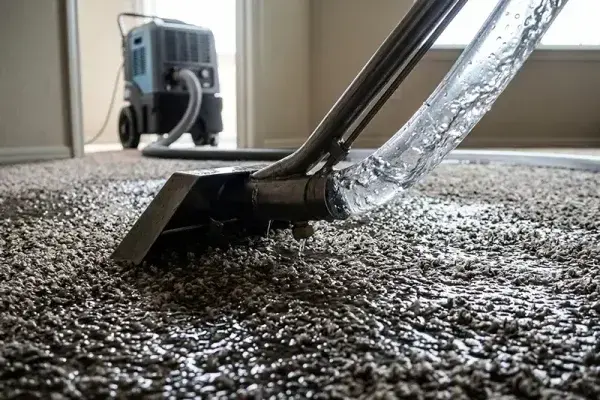
First steps for water extraction and removal in Clayton
- 1
Stop the water
Close the valve or switch off the appliance, then keep people off the wet floor.
- 2
Lift what you can
Raise furniture legs onto blocks and move rugs and electronics to a dry room.
- 3
Photograph first
Record the water, the source and anything damaged before cleanup begins.
- 4
Call for extraction
Standing water is the priority, so give the crew the wet rooms and the cause.
How water extraction and removal work is done in Clayton
Water that sits on a floor in Clayton does not stay on the floor. It moves into carpet pad, wicks up baseboards and drywall, and soaks the subfloor underneath. Extraction is the step that stops that spread, and it comes before any drying equipment is set. In a mostly owner-occupied, single-family city, one wet room often decides whether the whole house needs work.
What does water extraction and removal cost in Clayton, CA?
Extraction alone usually sits in the first two cards below, and the bill climbs when the water is gray or black, because pad and porous materials then have to be removed and treated.
One wet room
$1,000 to $2,800
- Standing water extracted
- Carpet dried in place
- Daily readings
Several rooms
$2,800 to $5,500
- Pad removed where needed
- Hardwood drying
- Baseboards checked
Gray or black water
$5,500 to $8,500
- Pad and porous items removed
- Antimicrobial applied
- Containment where needed
Ranges are typical, not a quote: category of water, square footage, material class and how fast drying started move the number most. Run the water damage cost calculator for a closer range.
The water extraction and removal process in four steps
The tech who does the walkthrough maps moisture before any equipment goes down, so the drying plan matches what is actually wet. Equipment stays until the readings say dry, not until it looks dry.
- 1
Find the wet edge
Meters and infrared imaging mark how far the water traveled.
- 2
Pump and vacuum
Deep water goes first, then carpet, pad and seams.
- 3
Pull what fails
Pad and soaked trim come out when they cannot dry.
- 4
Set the drying
Air movers and dehumidifiers go in, and readings start.
How the water comes out
Extraction follows a set order so no wet material is walked over or left behind.
- Standing water is pumped from the lowest point of the room
- Carpet is vacuumed with a weighted wand that pulls water out of the fibers
- Pad is pulled when it cannot dry in place, since it holds water longest
- Hardwood and tile get extraction along edges and seams
- Baseboards are removed where water got behind them
Furniture and rugs are moved or blocked up first, so extraction does not leave new stains on dry floors. Water pooled in closets and under appliances is chased down as well, since those low spots hold the most.
Saving carpet or replacing it
Clean water caught early often lets carpet stay down, lifted at the edges and dried with air movers while the pad is replaced. Gray water, or water that sat through a night, changes the answer, because fibers and backing can hold contamination that drying will not fix.
The crew explains which choice applies to each room before anything is cut, with moisture readings to back it up, so the homeowner and the adjuster see the same reasoning.
Pad is usually the item that decides it, because it soaks like a sponge and hides moisture under carpet that looks dry.
After the water is gone
Pumping does not make a house dry. Moisture left in framing and subfloor shows only on a meter, which is why drying equipment follows extraction and readings continue each day. The extraction work ties into structural drying so one crew holds the whole job from first pump to final reading.
- Air movers and dehumidifiers set from the moisture map
- Readings logged on every return visit
- Wet materials listed and photographed
- Equipment removed only when walls read dry
Water pulled from carpet and pad in the first stage is far cheaper to handle than the moisture that reaches wall cavities a day later.
Water extraction and removal across Clayton and nearby towns
Extraction work covers ZIP code 94517 across Clayton, from the Town Center and Oakhurst to Dana Hills, Dana Ridge, Clayton Wood and homes off Clayton Road and Marsh Creek Road.
The same service nearby: water extraction and removal in Danville, Walnut Creek, Alamo.
Related water damage services in Clayton
Water Extraction and Removal questions in Clayton, CA
Can wet carpet in Clayton be saved?
Often yes if the water was clean and extraction began early. The crew lifts edges, dries in place and replaces the pad, but gray water usually means carpet and pad go.
How is extraction different from drying?
Extraction removes liquid water by pump and vacuum. Drying then removes the moisture left in materials, and both are needed.
Does the crew remove baseboards?
Where water reached behind them, yes. Pulling a baseboard lets a meter read the drywall edge, which is where hidden moisture shows first.
What if water came through the ceiling?
It is extracted from the floor first, then the ceiling cavity is checked. See ceiling leak water damage for that side.
Is wet flooring always torn out?
No. Hardwood and tile can often be dried with mats and seam extraction, while swollen laminate and soaked underlayment usually cannot be saved.
Who pays for extraction, the homeowner or insurer?
That depends on the policy and the cause, so the homeowner confirms coverage with the carrier. The crew supplies photos, readings and an itemized record either way.
Still dealing with it?
Water on a Clayton floor keeps spreading until it is pumped out.
Get the water out of your Clayton home
Describe the wet rooms and the source, and the crew will plan extraction and the drying that follows.
(888) 774-9605Book extraction