Water Extraction and Removal in Alamo, CA
Large ranch-style floor plans in Alamo let a spill travel through several rooms, so crews pull the standing water first, then dry carpet, pad and framing to documented meter readings.
(888) 774-9605Water on the floor? Call now.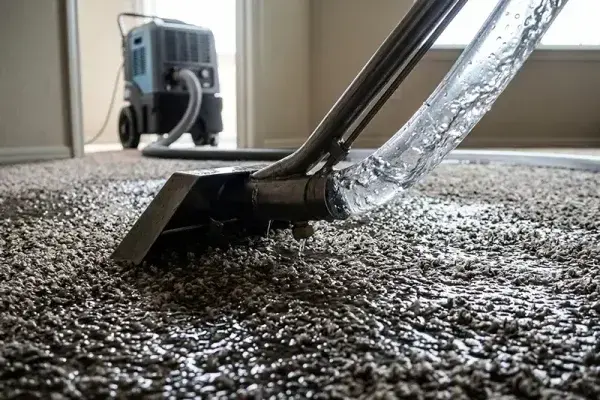
First steps for water extraction and removal in Alamo
- 1
Stop the source
Close the shutoff valve or main, and keep power off near wet outlets.
- 2
Lift the furniture
Put foil or blocks under legs and clear small items off the wet floor.
- 3
Photograph it all
Take wide and close shots of wet areas before any cleanup starts.
- 4
Start extraction
Pumps and wands work best while water still sits near the surface.
How water extraction and removal work is done in Alamo
Extraction is the opening step of the job and the one that decides how far the damage spreads. Most Alamo houses are single-family ranch-style homes on relatively large lots, so one failed fitting can send water across a long stretch of floor. Crews remove the standing layer with wands, submersible pumps and wet vacuums before any drying equipment goes in.
What does water extraction and removal cost in Alamo, CA?
Alamo extraction jobs fall into three bands, from $1,000 to $2,800 for one wet room to $5,500 to $8,500 when gray or black water is involved. Rooms, water category and materials removed set the final number.
One wet room
$1,000 to $2,800
- Standing water extracted
- Carpet dried in place
- Daily readings
Several rooms
$2,800 to $5,500
- Pad removed where needed
- Hardwood drying
- Baseboards checked
Gray or black water
$5,500 to $8,500
- Pad and porous items removed
- Antimicrobial applied
- Containment where needed
Ranges are typical, not a quote: category of water, square footage, material class and how fast drying started move the number most. Run the water damage cost calculator for a closer range.
The water extraction and removal process in four steps
The tech who does the walkthrough maps moisture before any equipment goes down, so the drying plan matches what is actually wet. Equipment stays until the readings say dry, not until it looks dry.
- 1
Survey the water
Meters and a thermal camera show how far it traveled.
- 2
Extract
Wands, pumps and wet vacs pull standing water and carpet moisture.
- 3
Remove what fails
Soaked pad and unsalvageable material come out.
- 4
Dry and log
Air movers and dehumidifiers run to dry readings.
What crews pull out first
The order of work follows the water, starting at the lowest point and moving back toward wherever the spill began.
- Standing water vacuumed from tile, vinyl and sealed floors
- Carpet lifted at the edges so the pad can be checked and pulled
- Hardwood surveyed for cupping before drying mats go down
- Baseboards removed where water has wicked into the wall base
- Photos and readings logged before and after removal
Wide floors, wide spread
A long hallway or an open great room can carry water well past the room where it started. Technicians map the wet area with a moisture meter before anything is torn out, which keeps removal limited to the materials that truly cannot be saved.
Water that has stood for a while is handled differently from a fresh clean spill, because the category can change and porous materials may then have to come out instead of being dried.
Extraction versus drying
Extraction removes the bulk water, yet carpet, pad, subfloor and wall bases still hold moisture afterward. A second stage follows, with air movers and low-grain refrigerant dehumidifiers running until readings match a dry reference. The crew records each visit so the file is ready for an adjuster.
- Air movers aimed along the floor edge
- Dehumidifier sized to the wet area
- Readings taken every day
- Equipment removed only at dry standard
Tools matched to the floor
Different surfaces call for different equipment, and the wrong tool can push water deeper instead of lifting it.
- Truck-mounted extractor for carpet and large open rooms
- Weighted wand tools that press pad water upward
- Squeegee and wet vacuum for tile, vinyl and sealed concrete
- Submersible pump when the water is deep enough to pump
Where the source was a burst pipe, extraction is paired with a search for wet wall cavities, since the water usually travels farther than the puddle suggests. Hardwood and engineered flooring are extracted by surface tools and then dried with mats rather than torn out right away.
A wet vacuum clears most surface water, but the pad and subfloor stay saturated, so a floor that feels dry on top can still be wet underneath.
Water extraction and removal across Alamo and nearby towns
Extraction crews serve ZIP 94507 across Westside Alamo, Round Hill Country Club, Stonegate, Bryan Ranch, White Gate and Castle Hill, plus homes along Danville Boulevard and Stone Valley Road.
The same service nearby: water extraction and removal in Danville, Walnut Creek, Moraga.
Related water damage services in Alamo
Water Extraction and Removal questions in Alamo, CA
How fast does the water need to come out?
As soon as possible, since pad and wall bases keep absorbing the longer water stays. Quick removal often saves the carpet itself.
Can carpet be saved after extraction?
Often yes when the water is clean and removal is prompt. The carpet is lifted, the pad replaced if needed, and the carpet dried in place.
Does extraction include drying?
Extraction removes the bulk water, then drying equipment pulls out moisture held in materials. Both steps are logged with meter readings.
What if the water came from a toilet or drain?
Gray or black water is treated differently, with porous materials removed and surfaces sanitized, so the crew identifies the category first.
Will hardwood floors survive?
Many do when drying starts early, though boards can cup. Technicians check moisture content and decide whether drying mats are enough.
Is paperwork provided for insurance?
Photos, moisture readings and a drying log are kept for each visit so an adjuster can follow the work.
Still dealing with it?
Standing water in your Alamo home? Get it pumped out.
Water on the floor? Start the removal now.
Carpet and pad hold water long after it looks gone, so pumping and drying begin together.
(888) 774-9605Alamo extraction response, any hour