Structural Drying in Moraga, CA
After the water is removed, framing, subfloors and wall cavities in a Moraga home still hold moisture. Air movers and LGR dehumidifiers dry them, and daily readings from wet and dry reference material show when the work is done.
(888) 774-9605Request structural drying in Moraga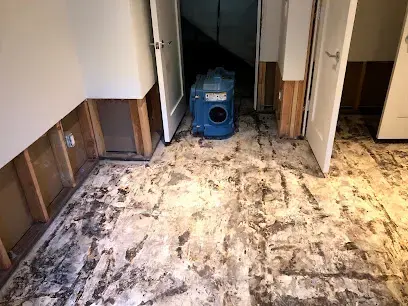
First steps for structural drying and dehumidification in Moraga
- 1
Remove standing water
Extraction should be done before drying equipment is set up.
- 2
Keep doors closed
Closed rooms let dehumidifiers work on a smaller volume of air.
- 3
Leave equipment running
Equipment is loud and warm, but it should stay on until readings say stop.
- 4
Keep the log
Photographs and daily readings support the insurance claim.
How structural drying and dehumidification work is done in Moraga
Water does not stop at the surface. It soaks into subfloor, wall cavities, framing and insulation, and those materials hold moisture long after the puddle is gone. Structural drying is the controlled removal of that hidden moisture, and in Moraga it often follows a wet storm season or a plumbing failure that ran longer than anyone knew.
What does structural drying and dehumidification cost in Moraga, CA?
Structural drying in Moraga typically costs about $1,200 to $3,500 for a Class 1 to 2 job, $3,500 to $8,000 for Class 3 and up to $15,000 for Class 4 work involving slab or hardwood.
Class 1 to 2
$1,200 to $3,500
- Air movers and LGR
- Three to four days
- Daily readings
Class 3
$3,500 to $8,000
- Walls and ceilings
- Cavity drying
- More equipment
Class 4
$8,000 to $15,000
- Slab or hardwood
- Desiccants and mats
- Longer drying
Ranges are typical, not a quote: category of water, square footage, material class and how fast drying started move the number most. Run the water damage cost calculator for a closer range.
The structural drying and dehumidification process in four steps
The tech who does the walkthrough maps moisture before any equipment goes down, so the drying plan matches what is actually wet. Equipment stays until the readings say dry, not until it looks dry.
- 1
Map the moisture
Meters and a camera show the wet area.
- 2
Set equipment
Air movers and dehumidifiers go in by volume.
- 3
Read daily
Readings are logged and equipment adjusted.
- 4
Verify dry
Equipment comes out when readings match.
How drying works
Wet air is the problem to solve. Air movers push dry air across wet surfaces, and LGR dehumidifiers pull the released moisture out of the room so it does not settle on other materials.
After a wet storm season, damp framing and subfloor in a Moraga home may need drying even when no leak is visible, so readings are taken before the walls are closed.
Wall and ceiling cavities are dried with controlled airflow through small openings or removed sections. Hardwood and slab areas often need drying mats, and dense materials need desiccant dehumidifiers that handle very dry air.
- Equipment is placed by room volume and wet area
- Readings are taken in the same spots every visit
- Dry reference readings come from unaffected materials
- Equipment is moved or removed as areas dry
Related work includes water extraction before drying and burst pipe water damage cleanup.
Moisture classes
Drying plans follow the IICRC S500 classes, which describe how much water a space absorbed and how fast it will evaporate. A Class 1 or 2 job is mostly carpet and drywall. A Class 3 job involves walls and ceilings soaked from above. A Class 4 job involves dense materials such as slab or hardwood that hold water deeply.
What the readings show
Every visit, the technician takes readings from affected materials and compares them with a dry reference taken from the same material in an unaffected part of the home. Drying ends when the two match, not when a fixed number of days has passed.
- Daily moisture readings recorded in a log
- Humidity and temperature checked in each room
- Photographs of equipment placement
A wall that feels dry to the hand can still read wet inside the cavity, and finishing a job early is how hidden moisture ends up under new paint.
Structural drying and dehumidification across Moraga and nearby towns
Structural drying runs across ZIP 94556, including Moraga Town, Rheem Park, Campolindo, Carol Ranch and Rheem Valley, and homes near the Moraga Country Club and Rancho Laguna Park.
The same service nearby: structural drying and dehumidification in Danville, Lafayette, Alamo.
Related water damage services in Moraga
Structural Drying and Dehumidification questions in Moraga, CA
How long does structural drying take?
Most clean-water jobs take three to four days, while Class 3 and Class 4 work takes longer. Readings, not a calendar, decide when it is finished.
Why are the machines so loud?
Air movers and dehumidifiers run continuously to move and pull moisture. The noise and warmth are normal and last only as long as the drying does.
Can drying be done without opening walls?
Often yes, through small openings and controlled airflow. Walls are opened only when insulation is saturated or readings stay high.
What is a dry reference reading?
It is a reading from the same type of material in an unaffected part of the home. It sets the target the wet material must reach.
Will the electric bill rise during drying?
It can, because several machines run for days. Insurers sometimes consider this part of the loss, so the dates and equipment are recorded.
Can the home stay occupied?
Usually yes, though noise and heat are noticeable. Contaminated water or heavy demolition may make some rooms unsuitable until work is done.
Still dealing with it?
Walls or floors in a Moraga home still wet? Describe the damage and the crew will explain the drying plan.
Dry the structure to readings
Equipment is set by moisture class and room volume, and readings decide when it comes out.
(888) 774-9605Request structural drying in Moraga