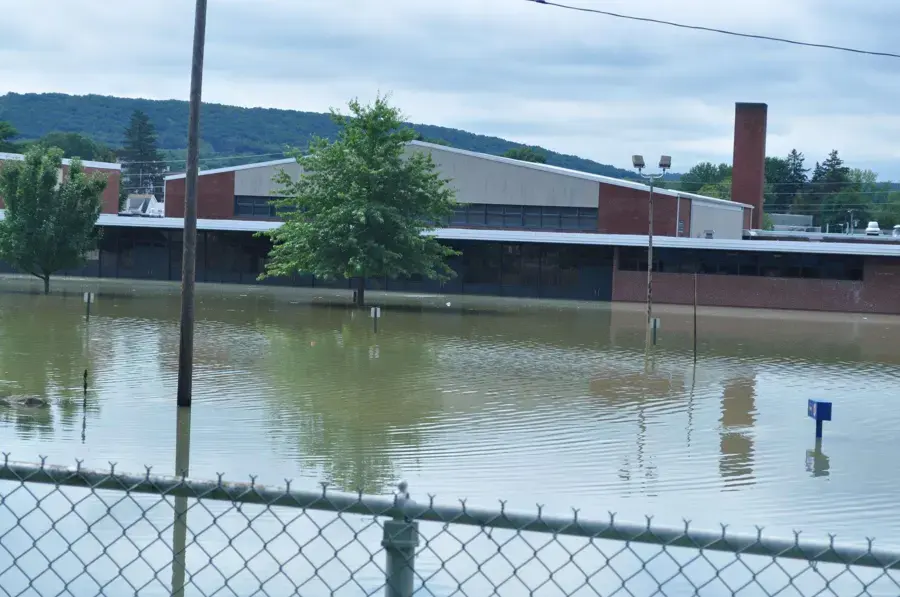
Moraga sits in a valley in the East Bay hills, and its creeks and storm drains carry a lot of runoff when the winter rain arrives. When that water enters a house, it is not the same as a pipe leak. This post explains why creek and storm drain water is treated as contaminated, what the town's own history shows, and how a hillside home is cleaned and dried.
Key takeaways
- Water that enters from a creek, a storm drain or a hillside is treated as contaminated flood water, not clean water.
- Laguna Creek pushed over its banks near the Hacienda Pavilion in the 2005 to 2006 storms, and landslides in 2016 and 2017 below Augusta Drive damaged several properties beside Moraga Creek.
- A property owner whose land abuts a creek is responsible for creek maintenance, usually to the centerline.
- Porous materials touched by flood water are removed, and the structure is dried only after cleaning.
- Photos and moisture readings taken early support a flood claim.
Why storm and creek water is treated as contaminated
Water that has run across streets, yards and hillsides gathers soil, fuel residue, fertilizer and bacteria. By the time it reaches a house it is not safe to leave in carpet or drywall.
The restoration trades classify it as category 3, the same class as sewage, because of what it carries and where it has been. That choice shapes everything that follows.
Moraga has a Mediterranean climate with warm dry summers and cool wet winters, and water events here come mostly in the rainy months. Planning for them before the first storm makes the cleanup easier if one comes.
- Carpet and pad that flood water touched are usually removed.
- Drywall at the base of walls is cut out where readings show it is wet.
- Hard surfaces are cleaned and treated before drying starts.
- Contents on the floor are sorted into items that can be cleaned and items to discard.
How Moraga's creeks and drains carry water
Laguna Creek runs through Hacienda de las Flores and receives runoff from the Campolindo, Carol Ranch and Rheem Valley neighborhoods through storm drains and open channels. It flows south and ends in the Upper San Leandro Reservoir.
Moraga Creek runs near the Moraga Country Club. The town's storm drain system includes 35 creek culverts as well as the collector pipes under its streets.
Heavy winter storms in 2005 and 2006 pushed Laguna Creek over its banks near the Hacienda Pavilion. The water flooded the Pavilion and washed away more than 200 feet of fence, walkways, retaining walls and creek bank.
- Runoff from several neighborhoods reaches Laguna Creek.
- Storm drains and open channels move water toward the creek.
- Culverts can back up when debris or heavy flow overwhelms them.
Hillside slides and mud
A hillside lot has two water problems at once: water that comes from above and water that collects below. A saturated slope can slump and send mud, debris and water toward a house.
Landslides in 2016 and 2017 below Augusta Drive beside Moraga Creek damaged several properties and the creek bank. EBMUD received a $3 million FEMA hazard mitigation grant for a Moraga Creek flood and erosion control project that uses drilled piers and tieback anchors to hold the slope.
After a slide or a flow of mud, a lower floor, a garage or a space under the house can hold silt that has to be removed before drying can work.
- Mud and silt cleared from floors, garages and lower rooms.
- Debris cleared from drains and crawl space openings.
- Slope movement reported to the right agency before anyone enters a damaged area.
What a creek side owner is responsible for
Moraga's Public Works page says an owner whose property abuts a creek is responsible for creek maintenance, usually to the centerline. Owners are also responsible for concrete drainage swales known as V ditches and for the culverts under their driveways.
That matters for prevention, but it also means a clogged culvert or swale can send water toward the house before the creek itself rises.
The town also runs a self serve sandbag station at Rancho Laguna Park during the rainy season.
- Clear leaves and debris from V ditches and driveway culverts before a storm.
- Watch the creek bank for undercutting.
- Keep sandbags ready where water has entered before.

The first steps when water enters the house
Safety comes first, since flood water can hide objects and carry electrical risk.
Cleanup should not begin until the area is safe. Mud, broken objects and slippery floors all cause injuries after a flood.
Protect people and power
Stay out of standing water until the power to that area is off. Do not use a household vacuum on the water.
- Turn off breakers to wet areas from a dry spot.
- Avoid wading through water that may be electrified.
- Keep children and pets out of the area.
Document and call
Take photos of the water level, mud marks and damaged items. Call the insurer, since standard homeowner policies may not cover flood water and a separate flood policy may apply.
- Photograph before anything is moved.
- Record the date and the water height.
- Ask the insurer what coverage applies.
Sorting contents after a creek event
Flood water reaches furniture, boxes and stored items, and not everything can be saved. The restoration crew sorts contents into what can be cleaned, what needs a specialist and what is discarded.
Hard goods such as glass, metal and sealed plastic can usually be cleaned. Porous items such as upholstery, mattresses and paper that sat in flood water are normally discarded.
Photographs and a written list, made before anything leaves the house, support an insurance claim.
- Clean and keep: sealed plastic, glass, metal and ceramic.
- Specialist: photographs, documents and keepsakes.
- Discard: mattresses, soft furniture and cardboard that flood water soaked.
- List: every item that is thrown away, with a rough value.
How a hillside home is cleaned and dried
Extraction starts with the standing water. A storm flood cleanup crew pumps water and clears silt and debris, then removes porous materials.
Quick water extraction limits how far water wicks into floors and walls. The crew then treats the cleaned surfaces and sets air movers and dehumidifiers.
Readings continue each day until framing, subfloor and drywall reach a dry standard. The Moraga water damage page lists the other kinds of loss handled in town, and the main storm flood cleanup page explains the process in more detail.
- Standing water and silt removed.
- Porous materials taken out.
- Antimicrobial treatment on cleaned surfaces.
- Daily readings until the structure is dry.
Questions
Is creek water the same as rain coming through a roof?
No. Roof rain starts clean, while creek and storm drain water is treated as contaminated and needs more removal.
Who maintains a creek that crosses a Moraga property?
The owner of the property is responsible for creek maintenance, usually to the centerline, according to the town's Public Works page.
Can flooring be dried instead of removed?
Hard surfaces can often be cleaned and dried. Carpet, pad and porous materials touched by flood water are usually removed.
Does a hillside home dry differently?
Slopes can send mud and water under a house, so lower floors and any space under the floor are checked and dried as part of the job.
What if flood water entered a garage only?
A garage is cleaned and dried, and the shared wall to the house is checked with a moisture meter for water that wicked upward.
Where can sandbags be found in Moraga?
A self serve sandbag fill station for residents operates in the Rancho Laguna Park parking lot during the rainy season.